Doji

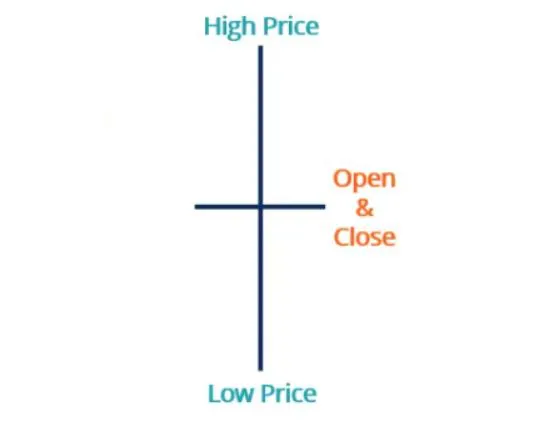
A Doji is a candlestick pattern that is formed when the opening and closing prices of a stock or asset are nearly the same, resulting in a small or non-existent real body with a wick. These patters will be considered as strongest and Reversal patterns.
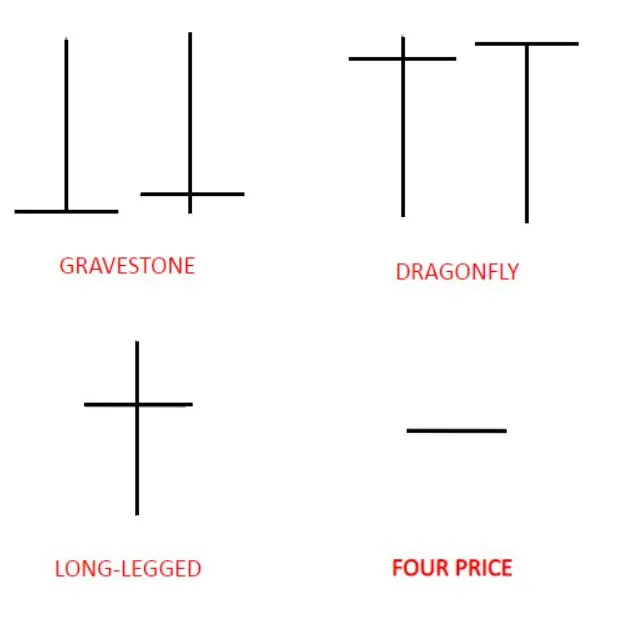
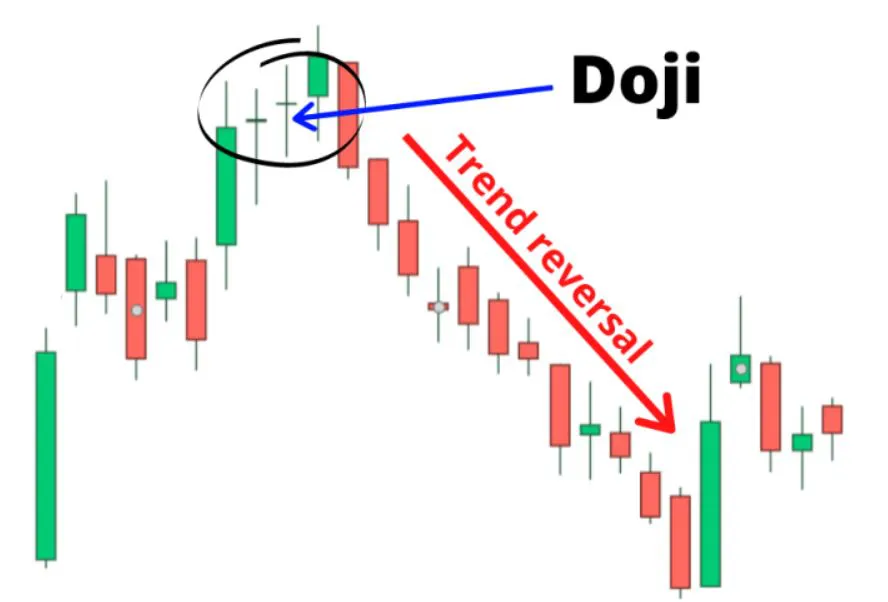
Traders interpret the Doji pattern as a sign of potential trend reversal or continuation, depending on where it appears in the trend. For example, if the Doji appears at the end of an uptrend, it may indicate a potential bearish reversal, while if it appears in the middle of a trend, it may signal a continuation of the current trend.
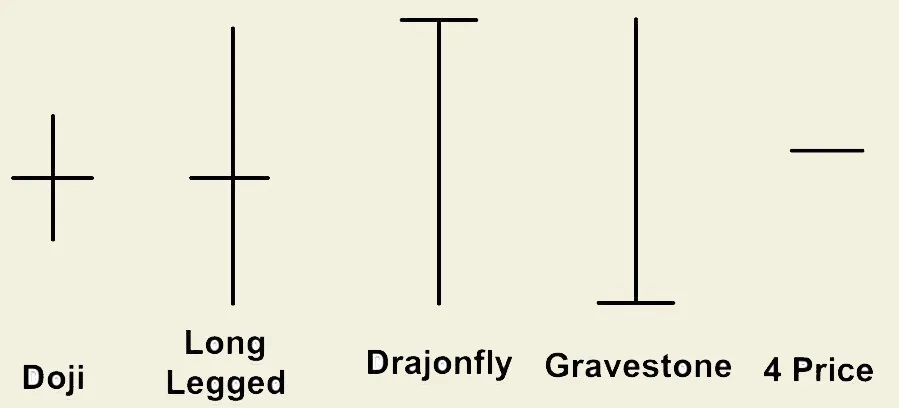


Below are few variations of Doji pattern based on shadow size:
  1. Gravestone

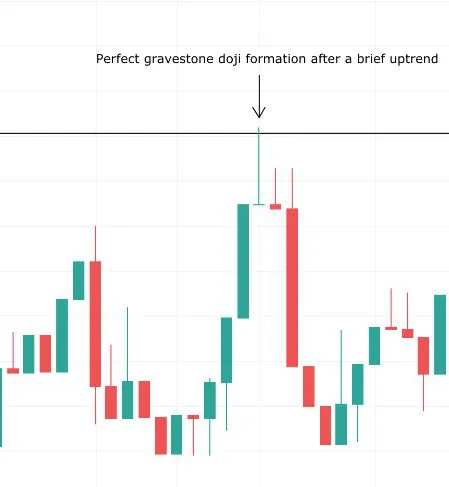
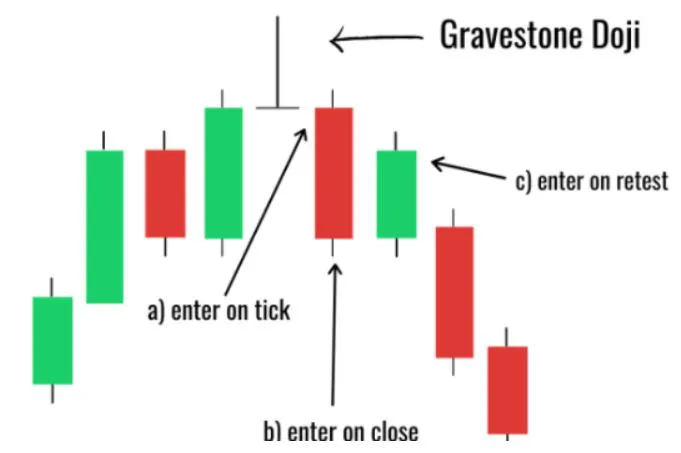
    A Gravestone Doji is a bearish candlestick pattern that forms at the top of a short-term rally. It has a long upper shadow and little or no lower shadow, with the open and close near the low of the trading period.

    This pattern suggests that buyers pushed the price up during the trading period, but sellers came in and pushed the price back down to near the opening price. This indicates that buyers are losing control of the market, and that a potential bearish reversal may be imminent.

    • Gravestones are mostly seen at the top of a uptrend market
    • There could be a very small body
    • Acts as a reversal and strong bearish pattern for a shorter period of Time
    • If you see a Gravestone Doji, you may want to trade short below the lows of this candle or the next candle. However, it's important to wait for confirmation from the next candle before making any trading decisions. If the next candle confirms the reversal, it may be a good opportunity to take a short position.
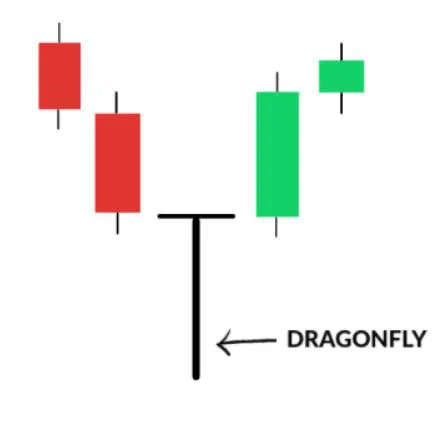
  2. Dragonfly

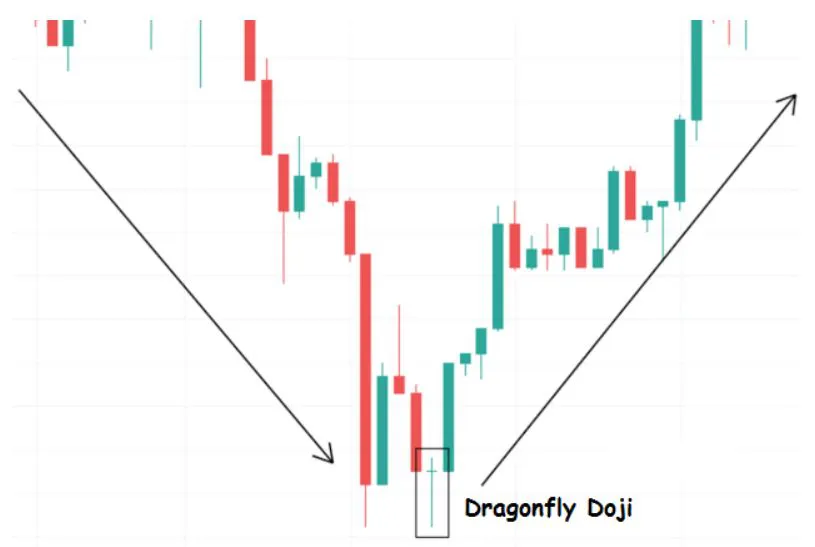
    Dragonfly is exactly opposite to Gravestone. Dragonfly candlestick will have a long lower shadow and no upper shadow, indicating that the price opened low, but buyers stepped in and pushed the price up to close near the high of the day.

    Dragonfly candlesticks are a type of candlestick pattern used in technical analysis to indicate a potential trend reversal. They're called dragonfly because they look like a dragonfly with a long tail and no head.

    • Dragonfly candles are the opposite of Gravestone candles.
    • They appear at the bottom of a downtrend market.
    • They can indicate a reversal and the start of a strong bullish trend, but only for a short time.
    • To trade using this pattern, you should go long (buy) above the highs of the Dragonfly candle or the next candle.
    • However, it's important to wait for confirmation from the next candle to ensure the trade is valid.
  3. Long-Legged

    A Long-Legged Doji candlestick has a small body with long upper and lower shadows, which indicates indecision in the market. The opening and closing price of the candlestick are usually very close to each other.

    Long-Legged Doji are commonly used in technical analysis to indicate potential trend reversals in the price of an asset

    • This pattern can be seen at the top or bottom of a trend, and can indicate that the trend may be changing direction.
    • The Long-Legged Doji is considered a stronger signal than a regular Doji candlestick because of its longer shadows, which suggest greater indecision and uncertainty in the market.
    • Traders may use other technical indicators, such as volume, moving averages, or trend lines, to confirm the Long-Legged Doji pattern before making a trade decision.
    • To trade using this pattern, traders may go long (buy) if the price breaks above the high of the Long-Legged Doji candlestick, or go short (sell) if the price breaks below the low of the candlestick.
    • When appears in sideways market, do not take any trade, just wait for other opportunity
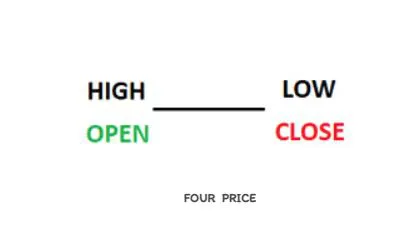
  4. Four Price

    A Four Price Doji occurs when the opening price, closing price, highest price, and lowest price of a candlestick are all the same. Indicates indecision in the market, with neither buyers nor sellers having a clear advantage.

    • Four Price Doji are common in penny stocks or low volume stocks
    • Usually there wont be any trade in this candle
    • Sometimes acts as trend reversal, but do not make decision with only this Doji
    • It is important to use risk management strategies, such as stop-loss orders, to minimize potential losses when trading with the Four Price Doji pattern.

Doji candlesticks can occur frequently and may not always be reliable indicators of trend reversals. It is important to use them in combination with other technical tools and to look for additional signs of market weakness or strength before making a trade.

Example-1 : Long legged Doji


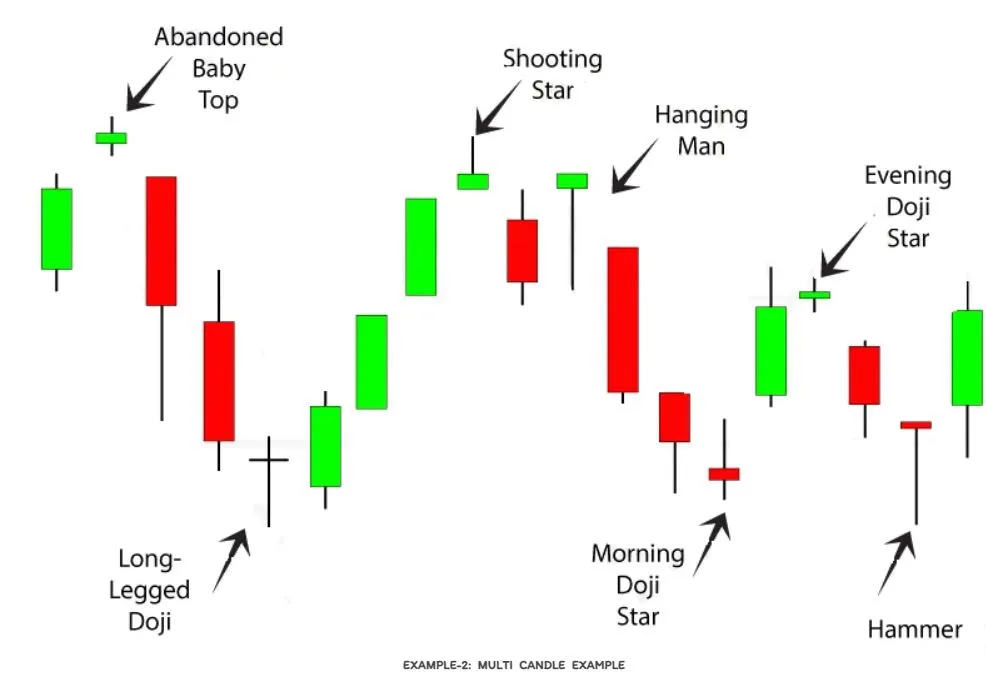
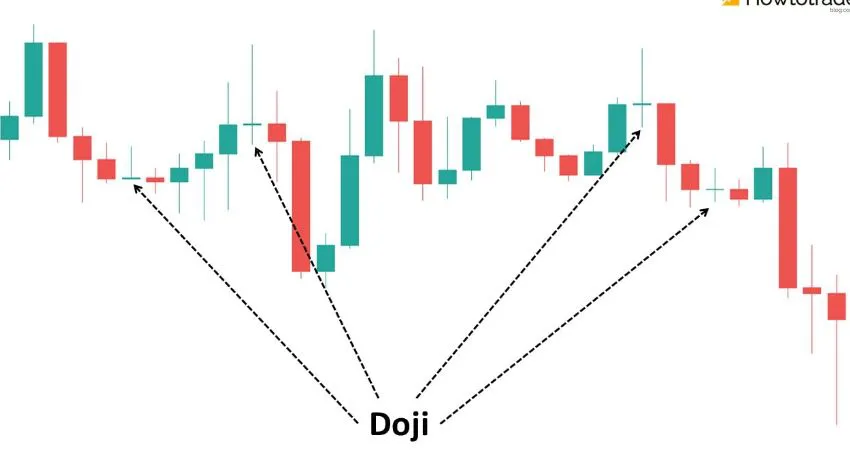
Example-2 : All in one


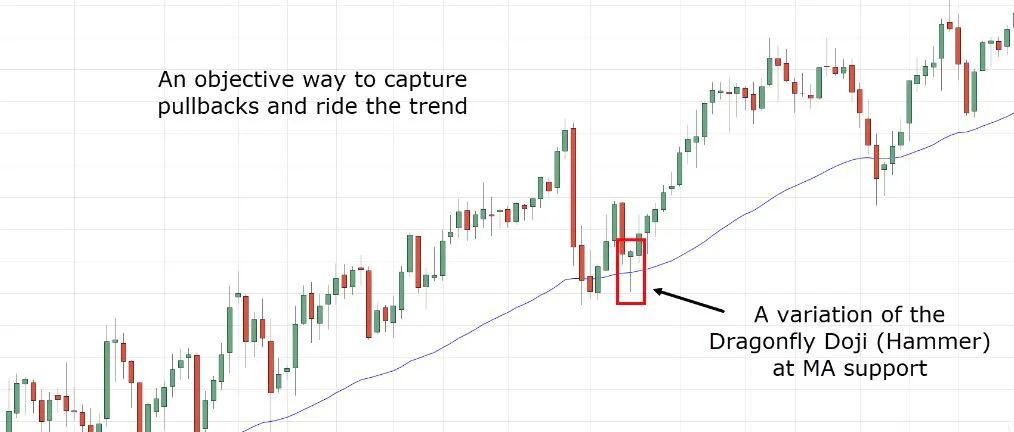
Example-2 : DRAGONFLY DOJI


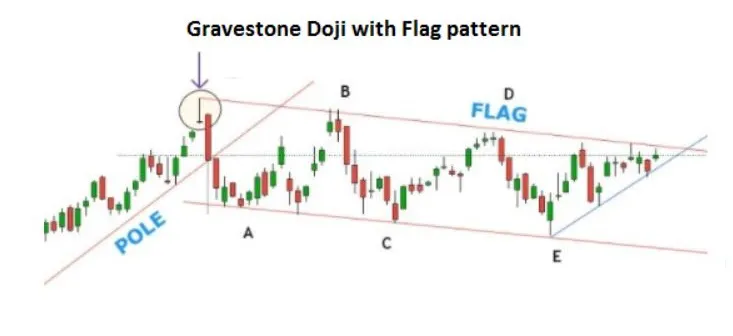
Example-2 : GRAVESTONE DJI WITH FLAG PATTERN


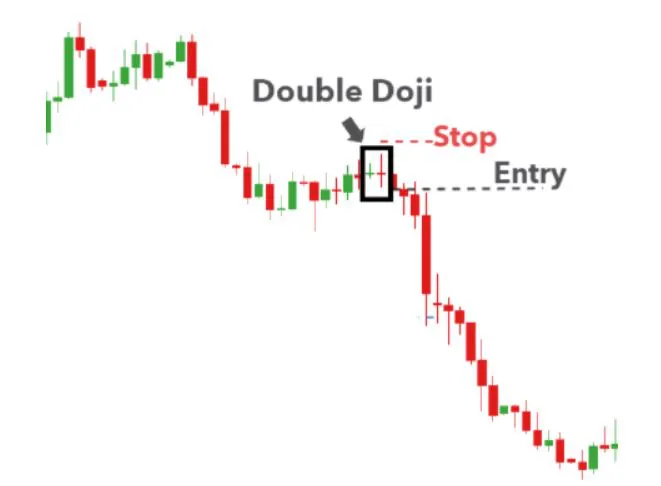
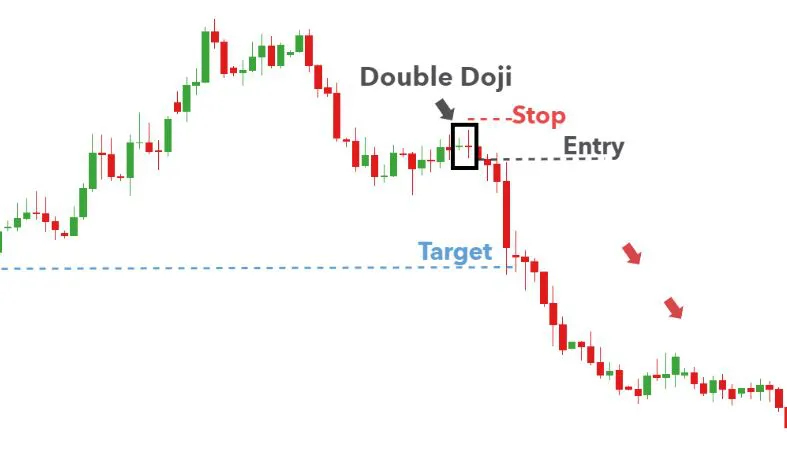
Example-2 : DOUBLE DOJI


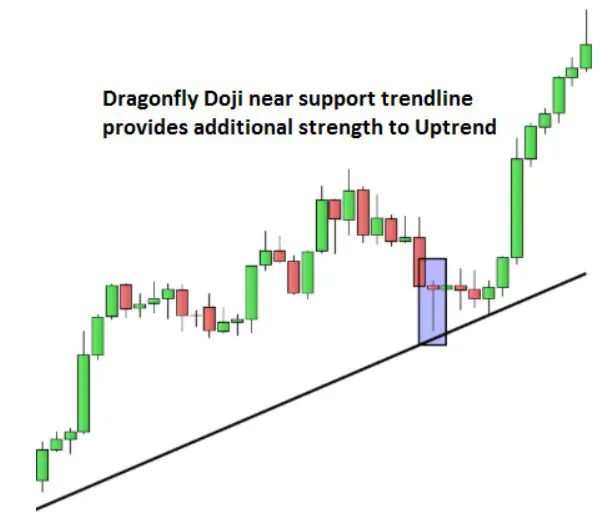
Example-2 : DOJI WITH SUPPORT TRENDLINE


Example-2 : Doji on same chart


Example-2 : Doji with Target and Stop loss


Example-2 : Doji candle pulling back the market current trend


Example-2 : Perfect Gravestone Doji


Share the App - Share Alpha