HEAD AND SHOULDERS

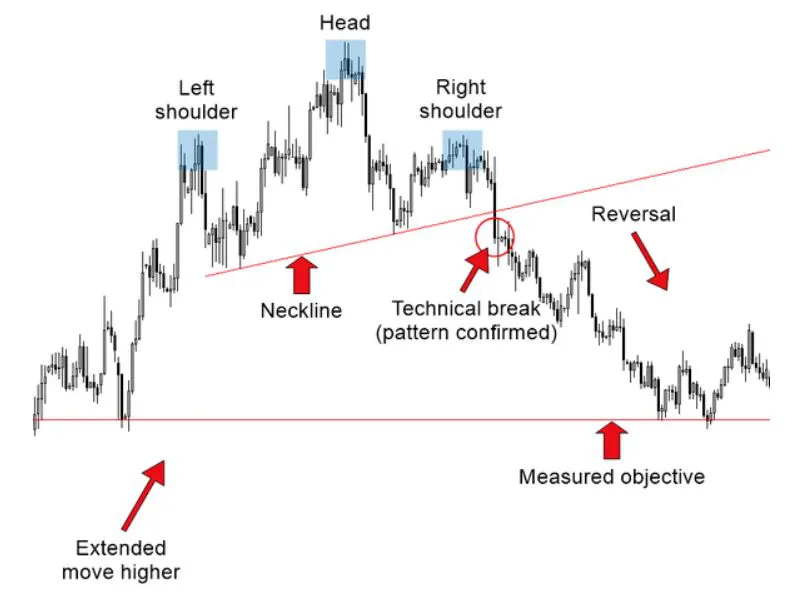
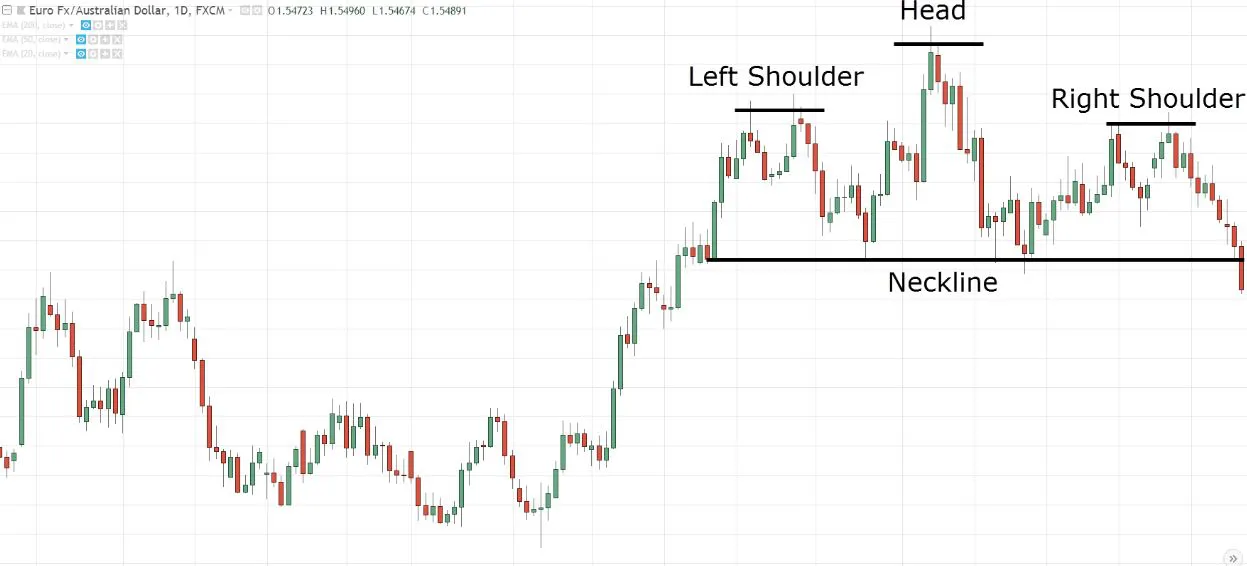
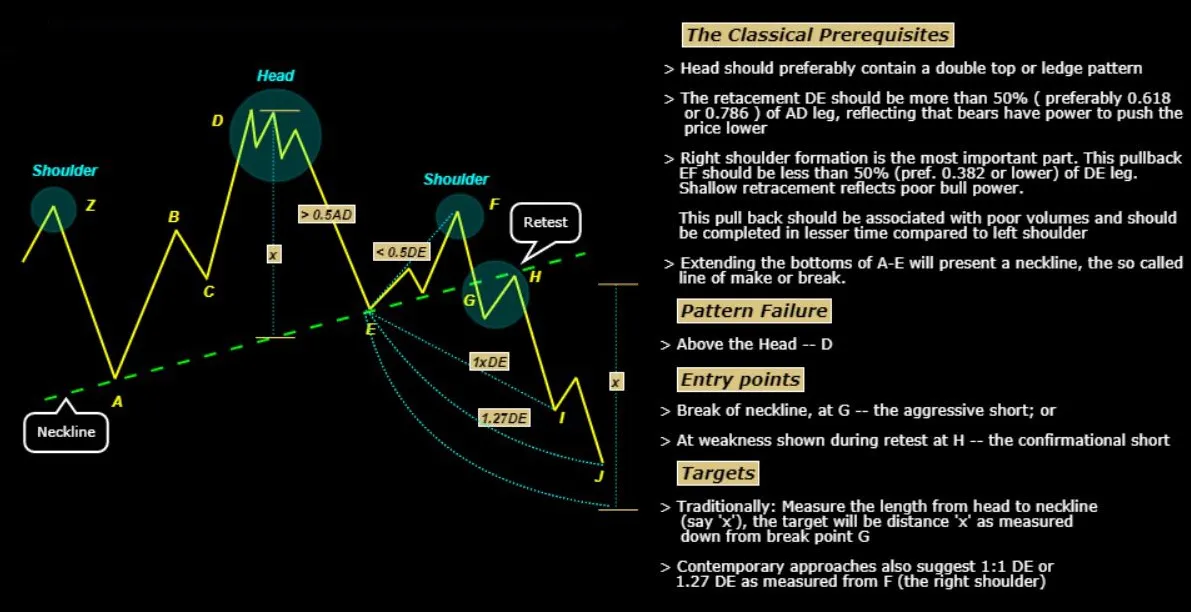
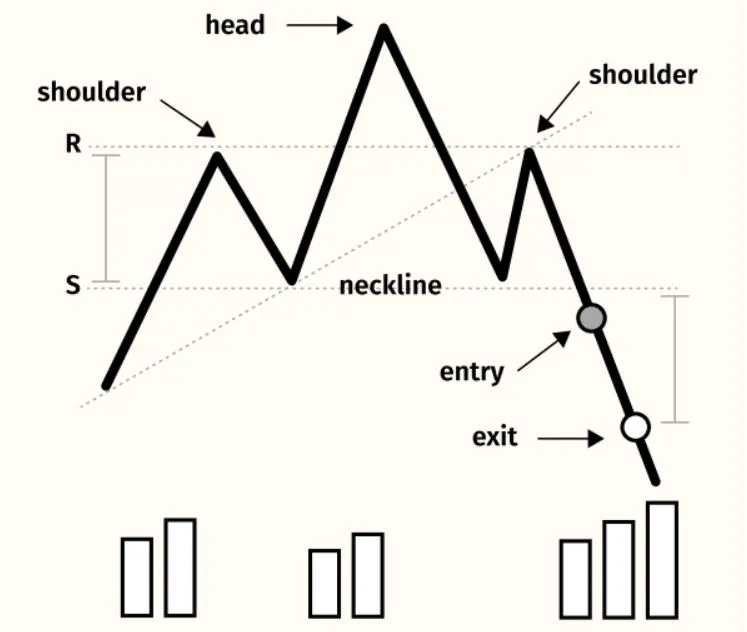
The Head and Shoulders pattern is commonly used to identify potential reversals in the price of an asset. It is formed by three peaks, with the middle peak being the highest, and the two other peaks being slightly lower and of approximately equal height.
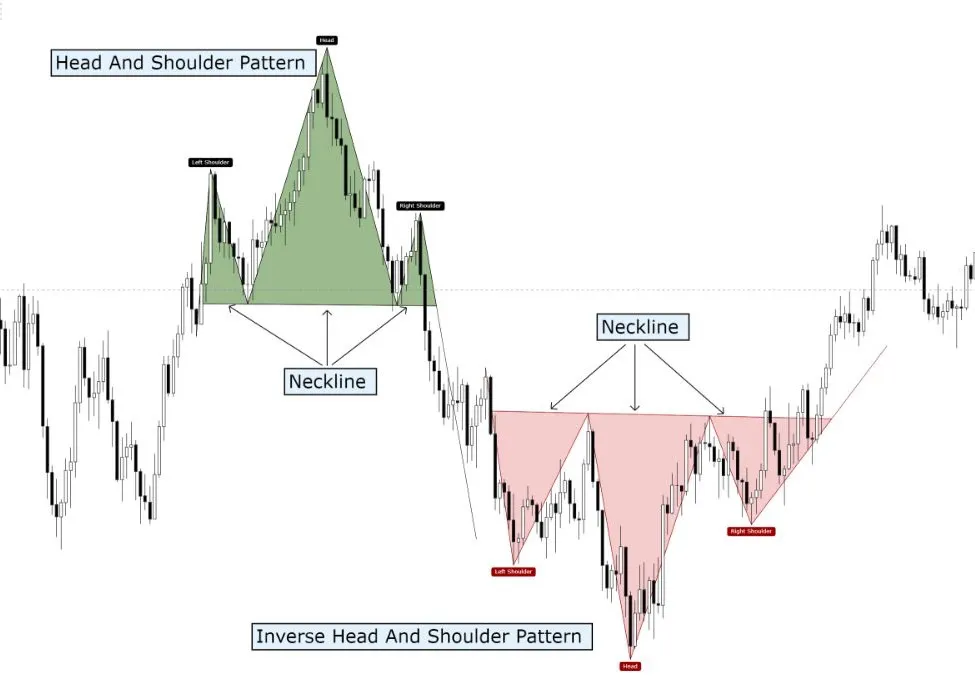
The two lower peaks are called the "Shoulders", while the highest peak is called the "Head".

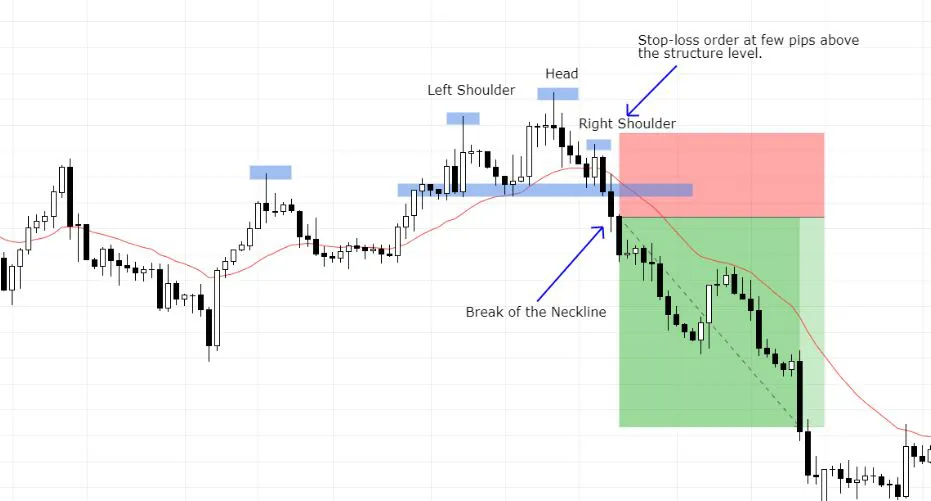
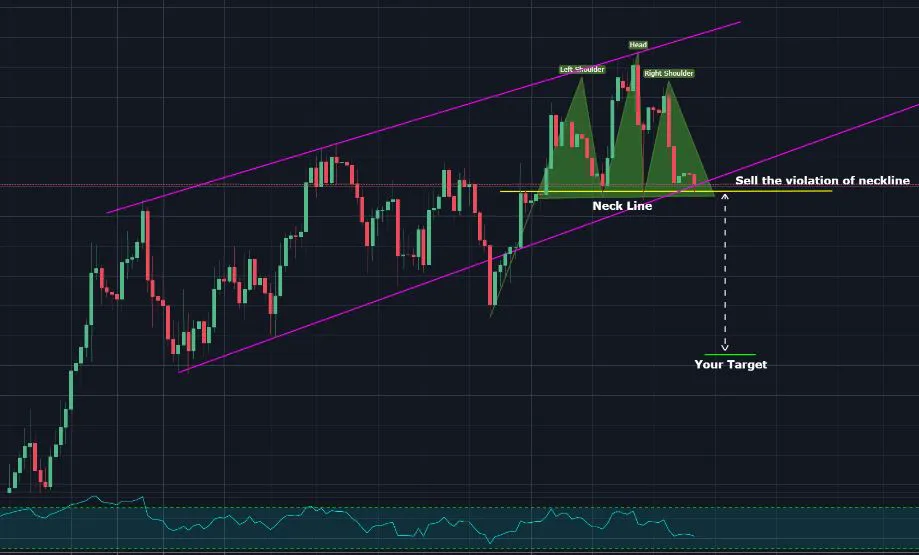
The pattern is completed when the price breaks below the neckline, which is a level of support that connects the two bottoms between the shoulders. This breakout signals a trend reversal.

Horizontal line connecting the low of the left shoulder and the head of the right shoulder, can also get you a support line.
Types of Head and Shoulders patterns:
  1. Head and Shoulders

    These are most common type of Head and Shoulders pattern, which is formed by three peaks, with the middle peak being the highest and the two other peaks being slightly lower and of approximately equal height.

    These pattern are formed in uptrend and these are bearish reversal pattern

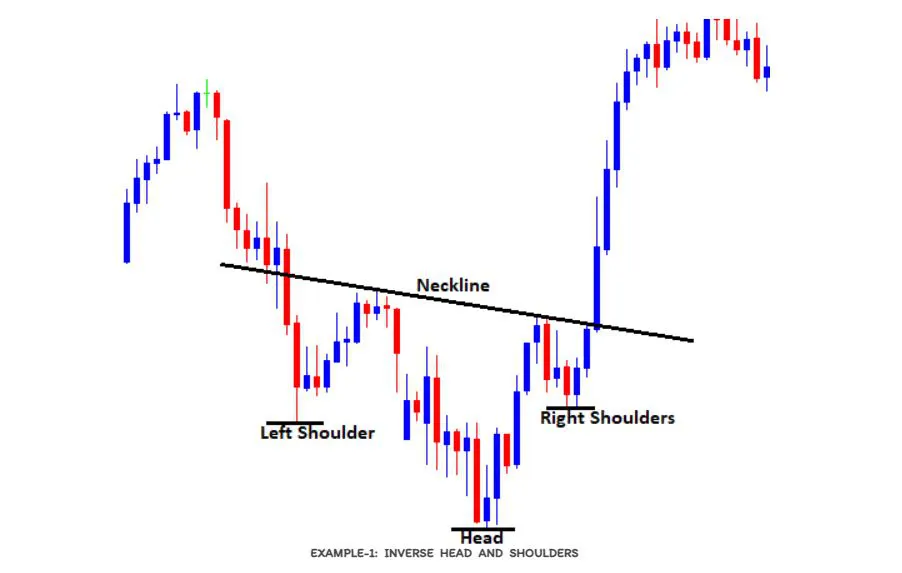
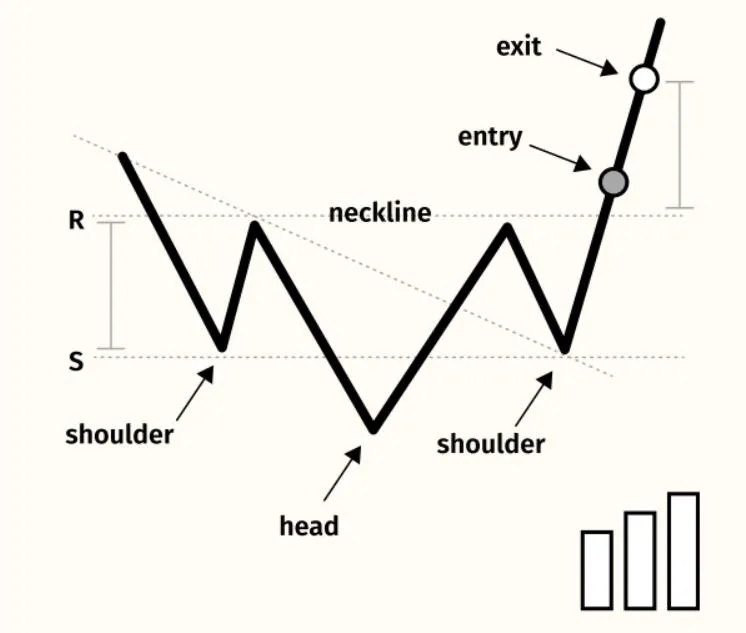
  2. Inverse Head and Shoulders

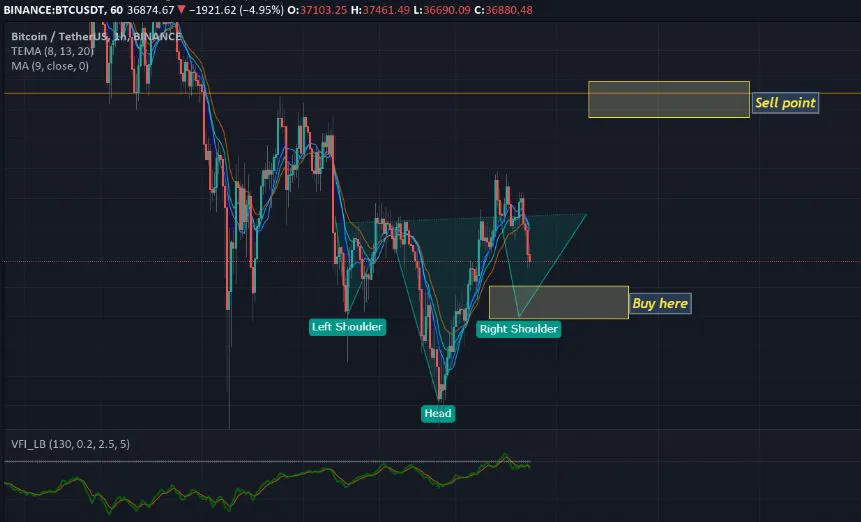
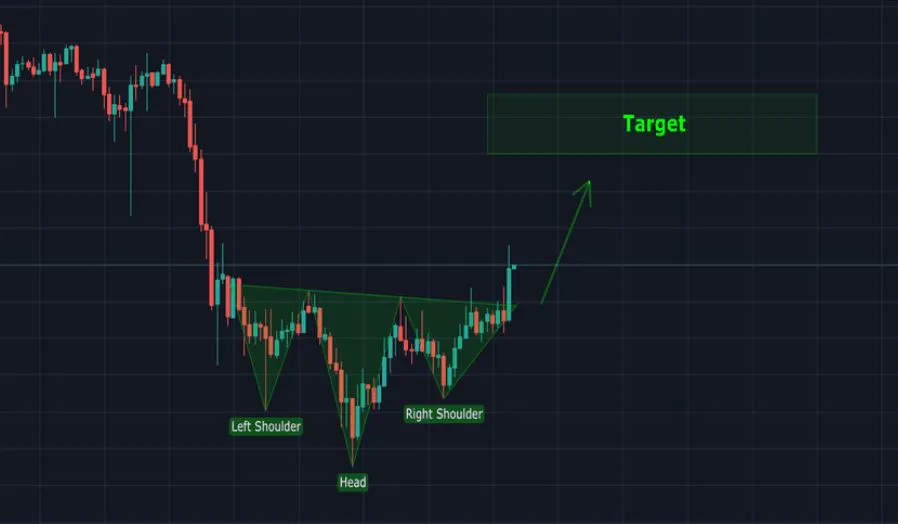
    These are the mirror/opposite of the Regular Head and Shoulders pattern and is formed by three valleys, with the middle valley being the lowest and the two other valleys being slightly higher and of approximately equal depth.

    These pattern are formed in bear trends and these are bullish reversal pattern

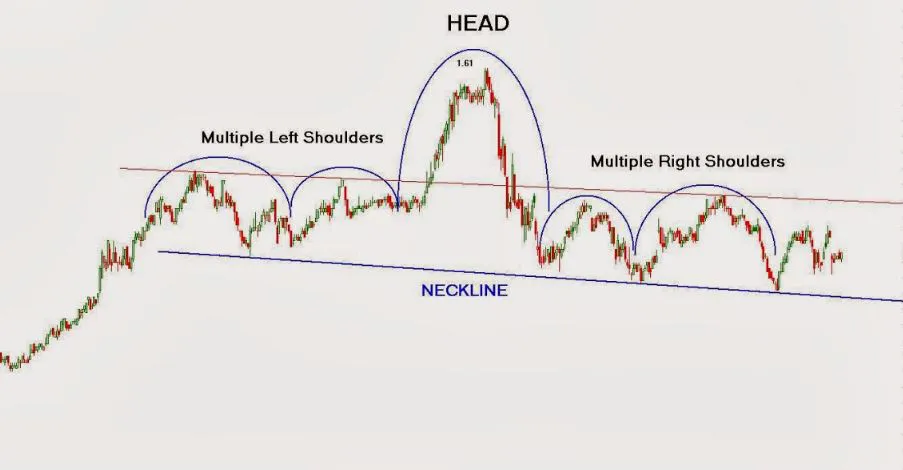
  3. Complex Head and Shoulders

    These are variants of the Regular Head and Shoulders pattern that is formed by more than three peaks and valleys. The pattern can have multiple shoulders and heads, making it more complex to identify and trade. This type of pattern can indicate a more prolonged trend reversal.

    Using trend lines to identify the neckline can help to take position in the market.


How to take position in the market?
- Depending on trading psychology and individual risk, some Traders follow below rules to enter into positions.

  1. Entry

    • Identify the market trend: Determine if the market is in an uptrend or a downtrend.
    • Spot the Head and Shoulders pattern: Look for three peaks and connect the lows or highs respectively to draw the Neck Line.
    • Wait for the price to break below the Neckline level, which acts as a support level.
    • Verify that there is an increase in volume near the Neckline level, indicating a strong momentum in the direction of the breakout.
    • Look for a close price below the Neckline level with a big candlestick, which confirms the breakout and take position
  2. Target

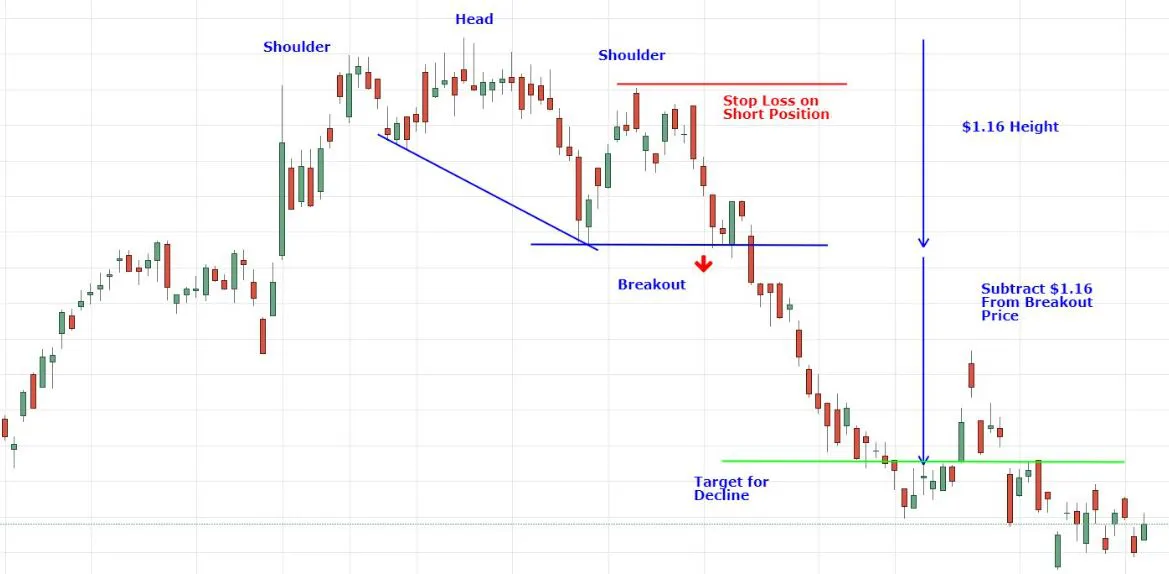
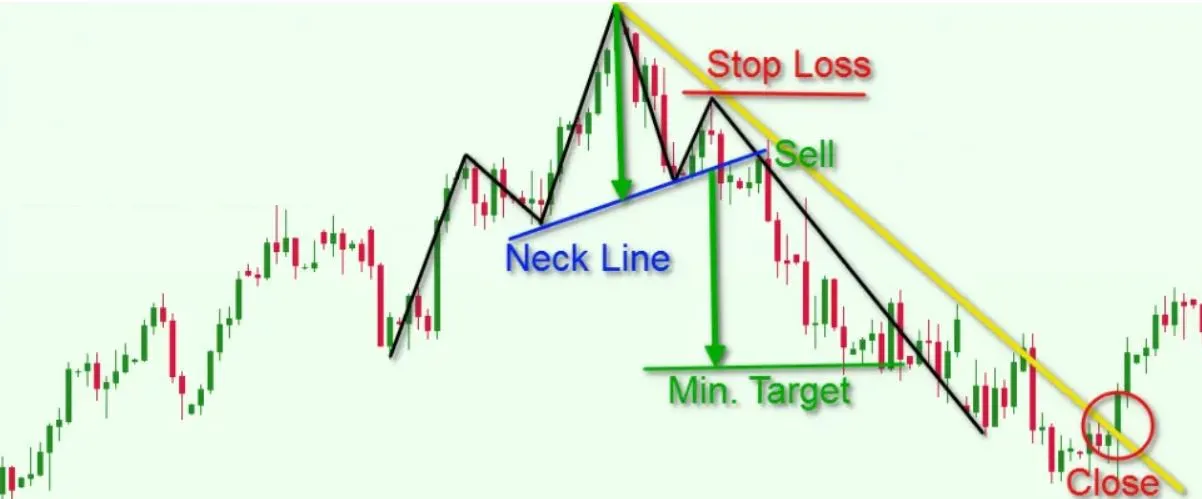
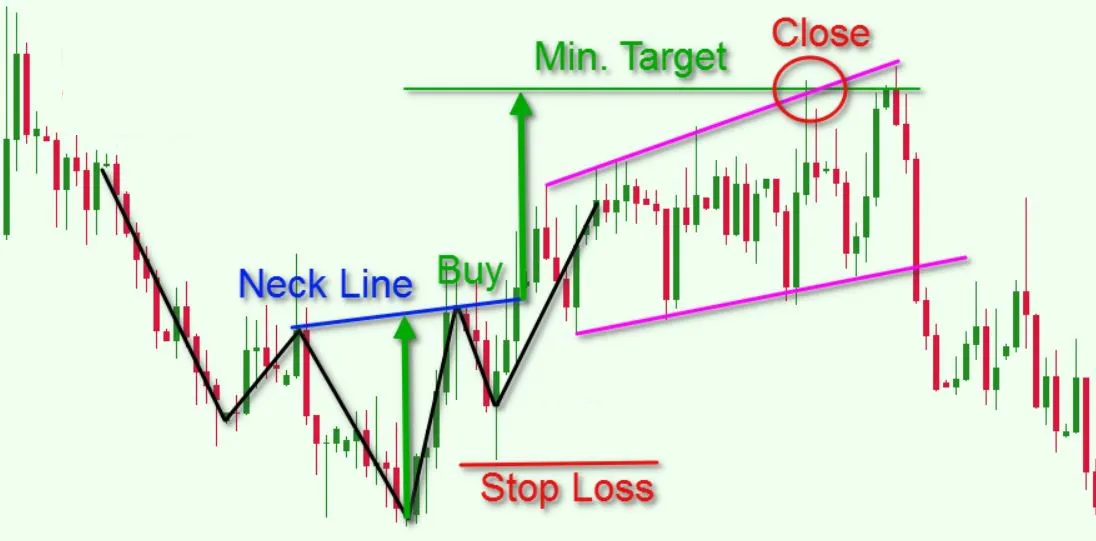
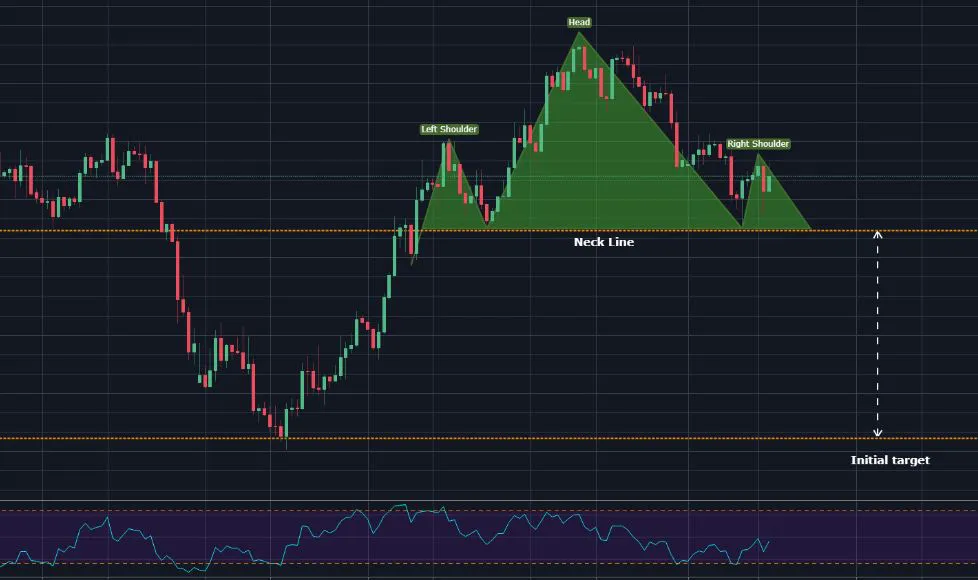
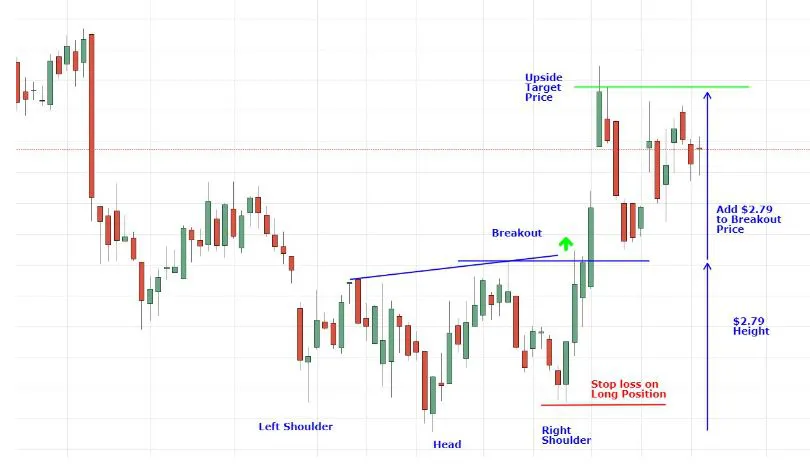
    • The target level is typically set by measuring the distance from the top of the head to the neckline and projecting it downwards from the breakout level.
    • This distance represents the potential price decline after the breakout and can help traders set a realistic profit target.
  3. Stop Loss

    • Based on type, the Stop loss level should be slightly above/below of the right shoulder in the pattern respectively
    • For regular, traders typically set their stop-loss level above the right shoulder or the top of the head.
    • This level represents the invalidation point of the pattern, and if the price breaks above it, it suggests that the pattern has failed and the trade should be exited to limit potential losses.

The Shoulders can vary in size, shape, and duration, and may not always be symmetrical.

These types of patterns can be challenging as they are not always in the same structure. Traders need to practice and develop an understanding of the pattern to recognize the Head and Shoulders accurately.

The Head and Shoulders pattern may fail to form completely, resulting in an incomplete pattern that does not provide a clear signal for traders

Example-1 : Regular Head and Shoulder pattern with Entry, Target and Stoploss


Example-2 : Confirmation of Head and Shoulder pattern by breakout of neckline


Example-3 : Inverse Head and Shoulder pattern


Example-4 : Inverse Head and Shoulder pattern with Entry, Target and Stoploss


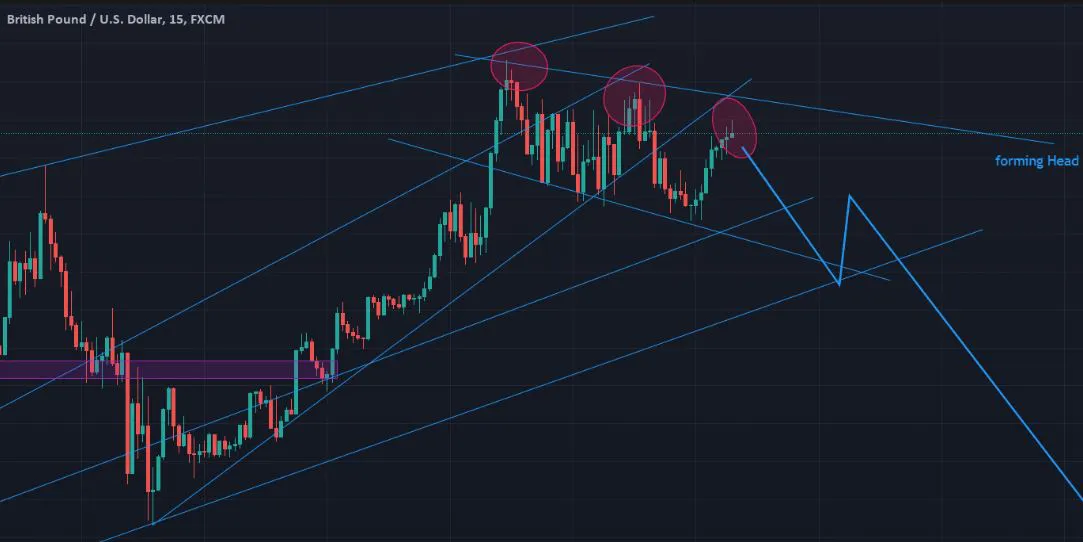
Example-5 : Formation of Head and Shoulder pattern


Example-6 : Predicting Target after formation of Head and Shoulder pattern


Example-7 : Predicting Target after formation of Head and Shoulder pattern


Example-8 : Predicting Target after formation of Inverse Head and Shoulder pattern


Example-9 : Expecting Head and Shoulder or Flag pattern


Example-10 : Information on Head and Shoulder pattern


Example-11 : Setting Target after formation of Inverse Head and Shoulder pattern


Example-12 : Inverse Head and Shoulder pattern


Share the App - Share Alpha