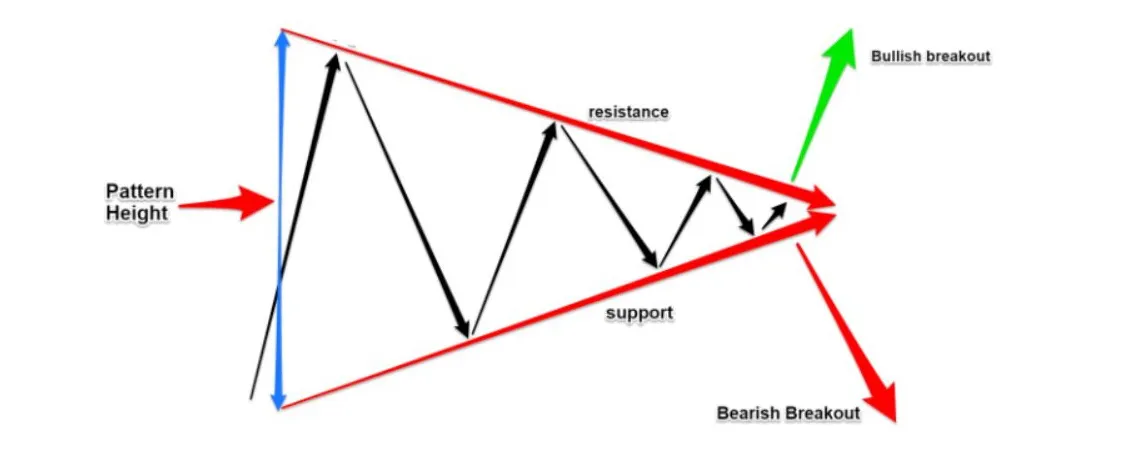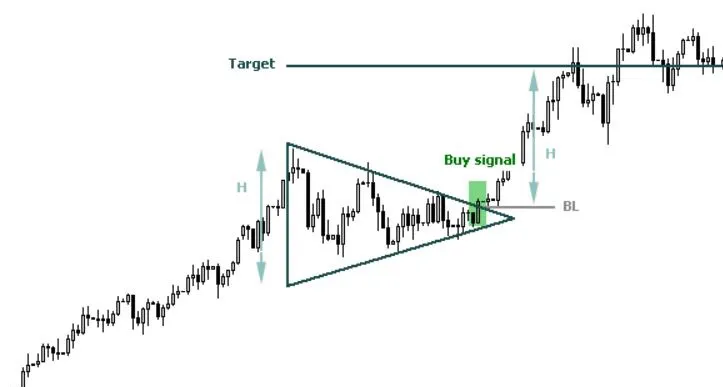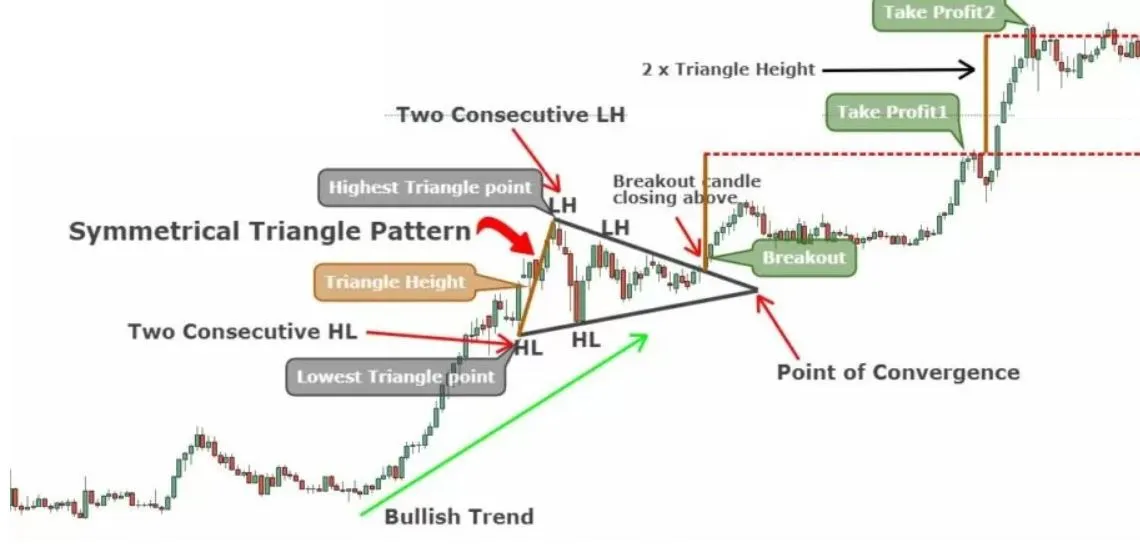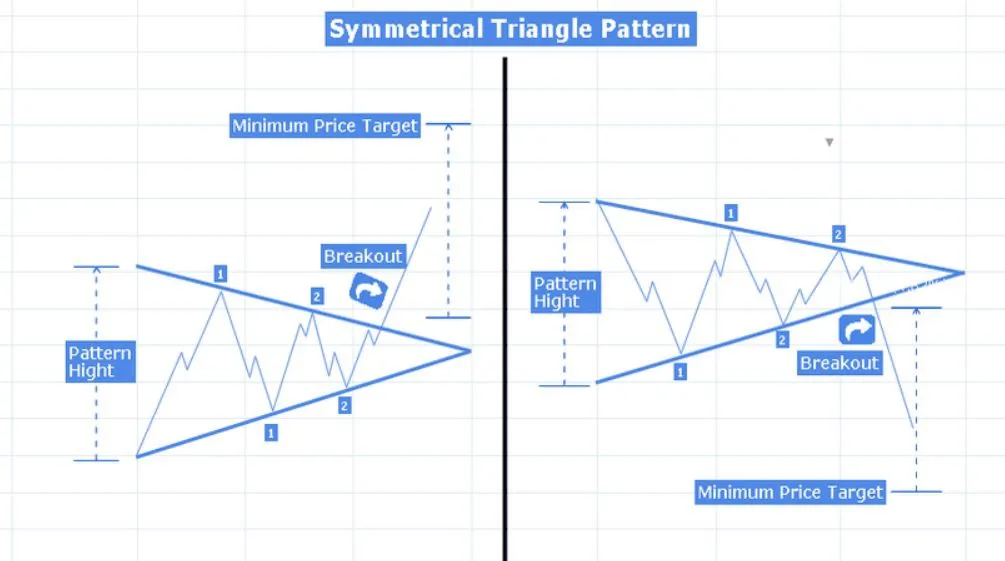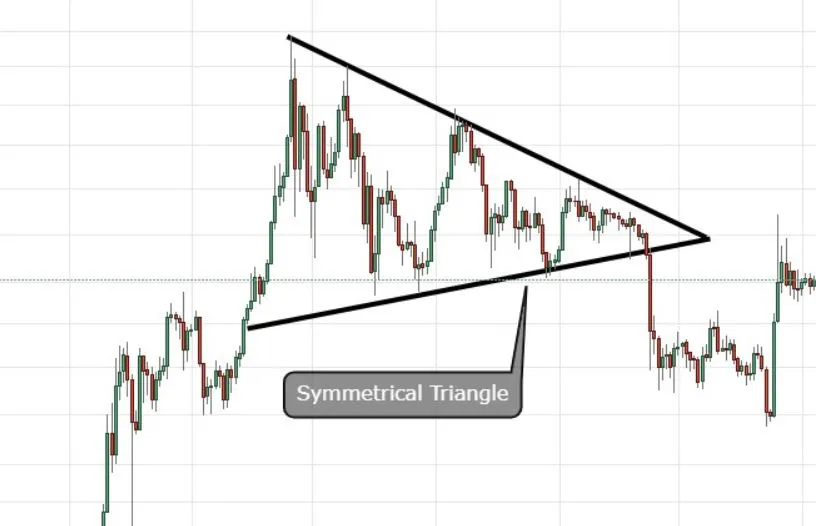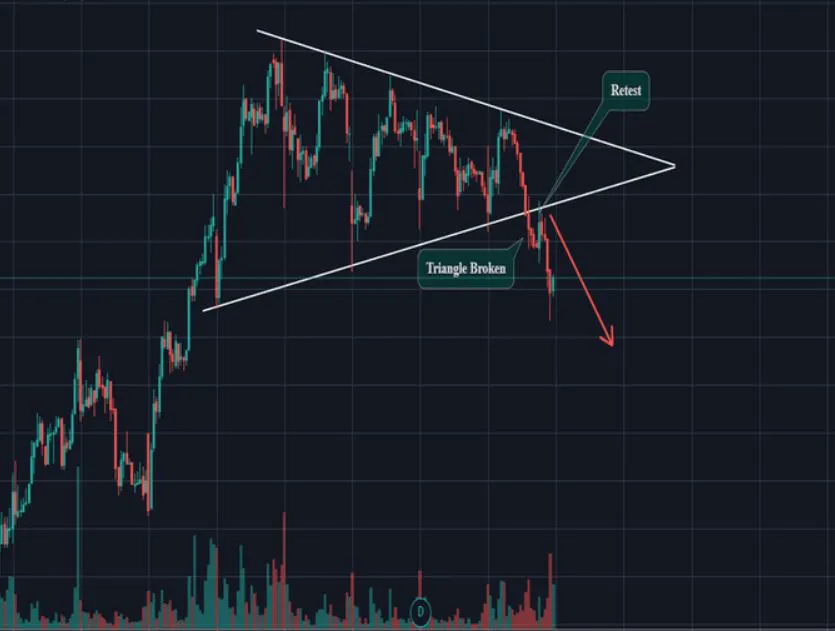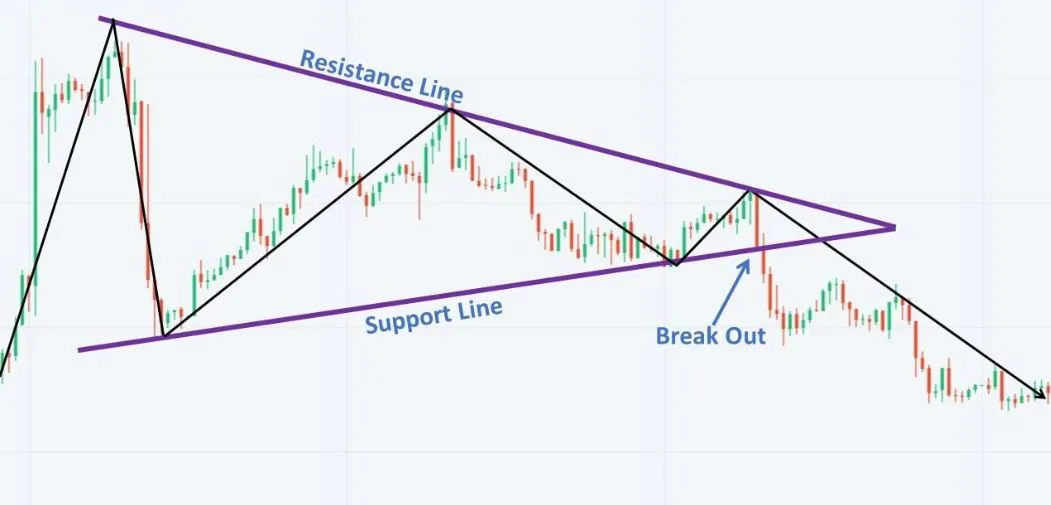
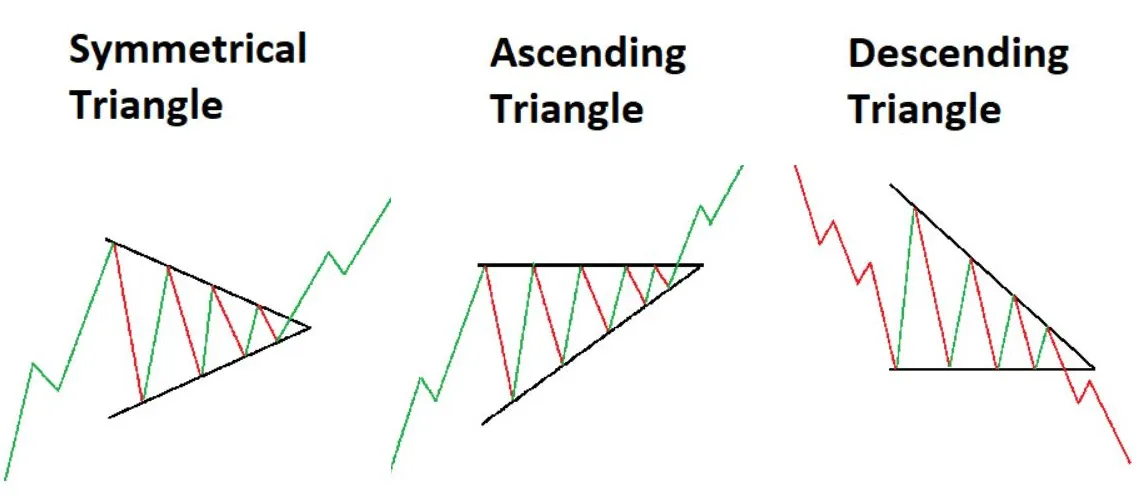
- Symmetrical triangle pattern
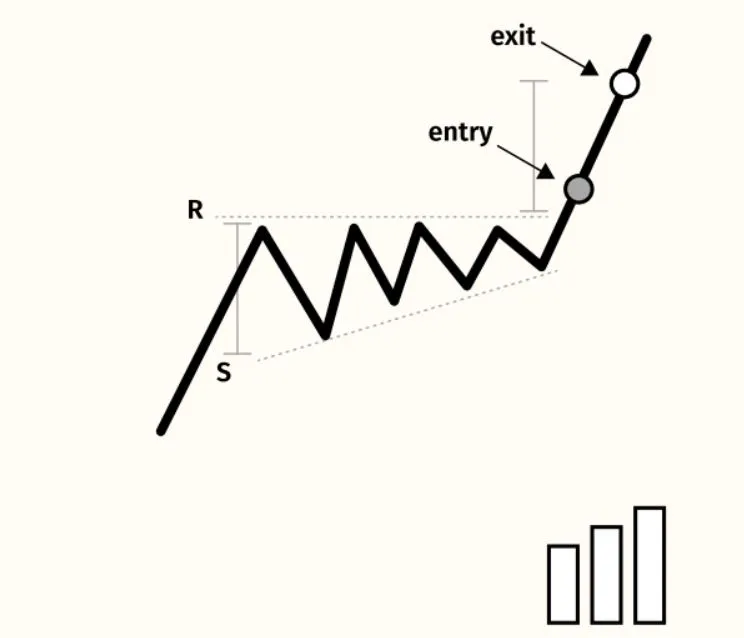
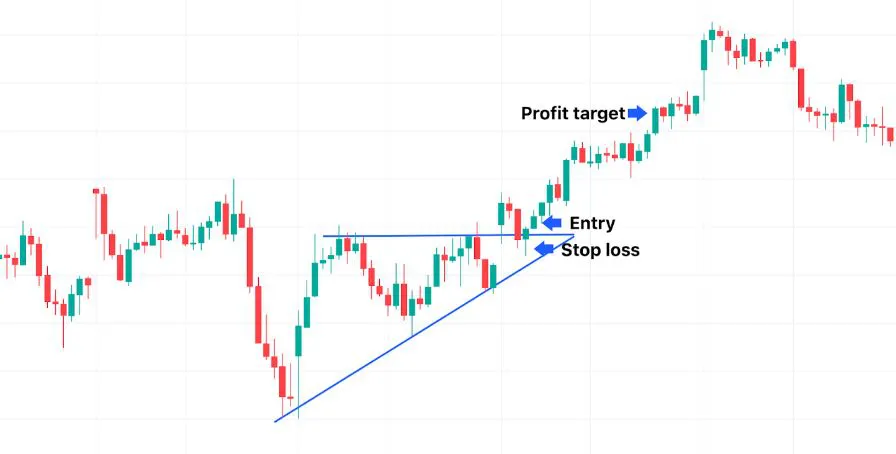
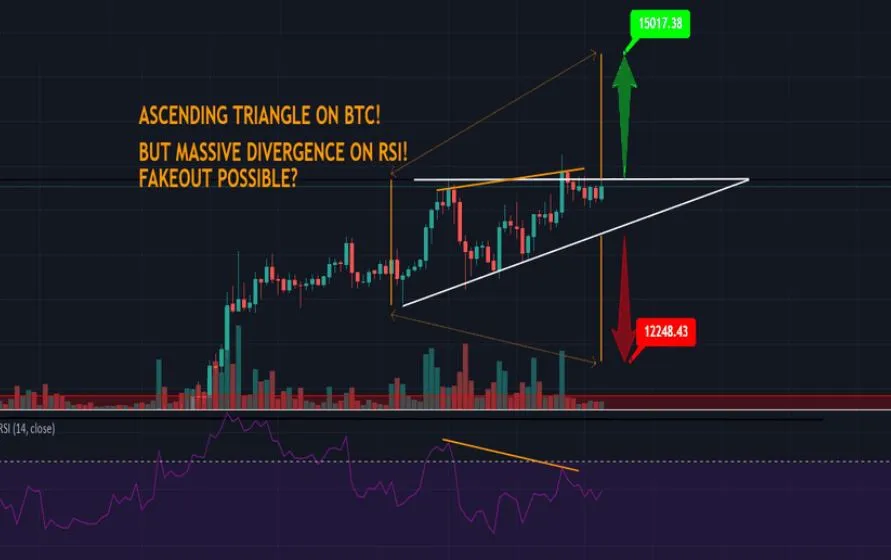
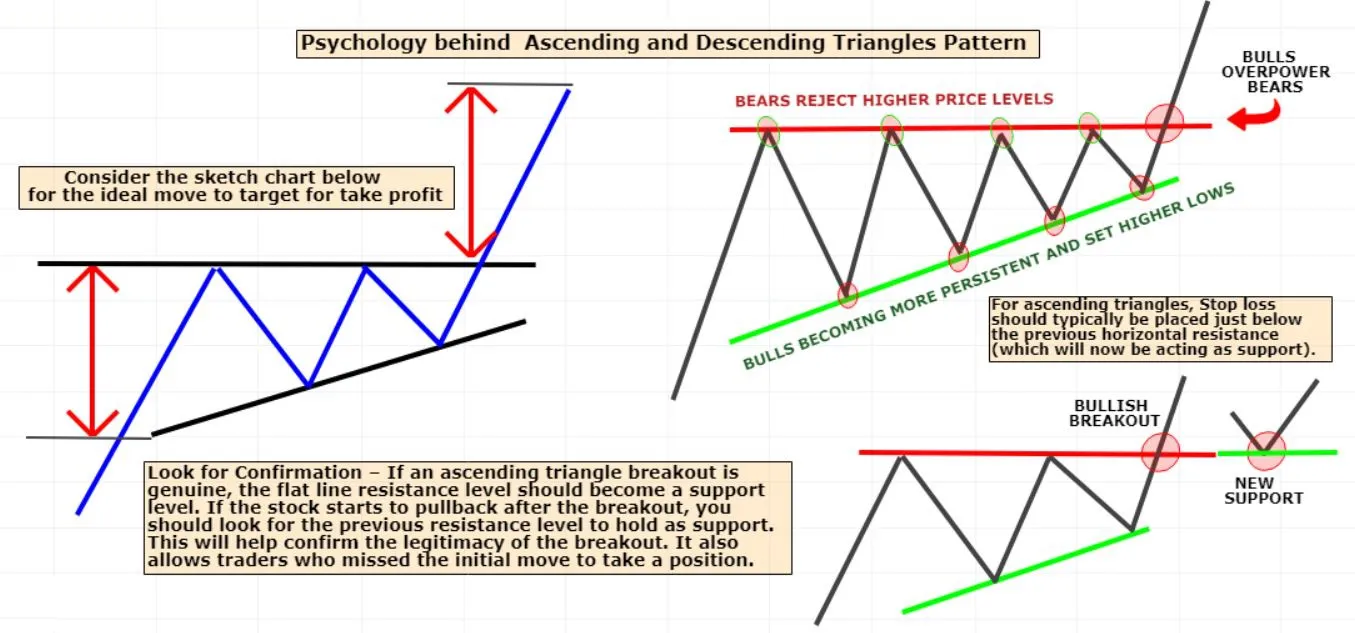
- Ascending triangle pattern
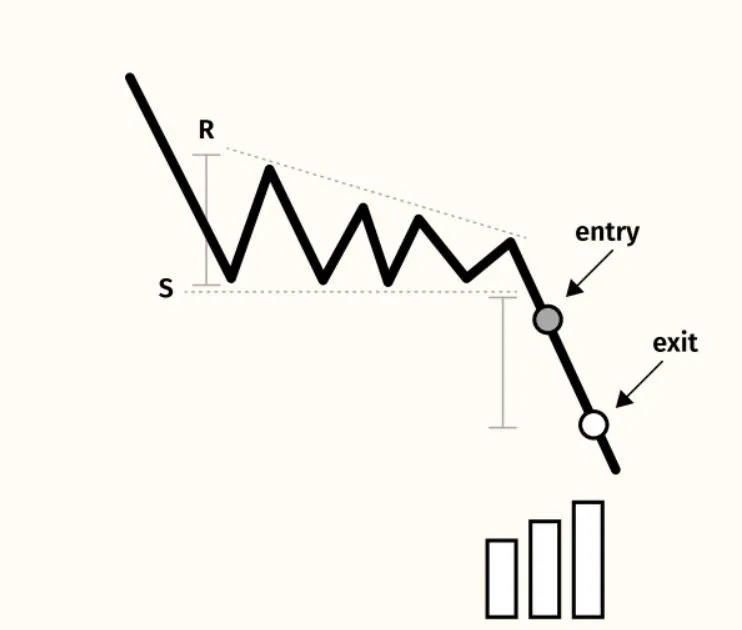
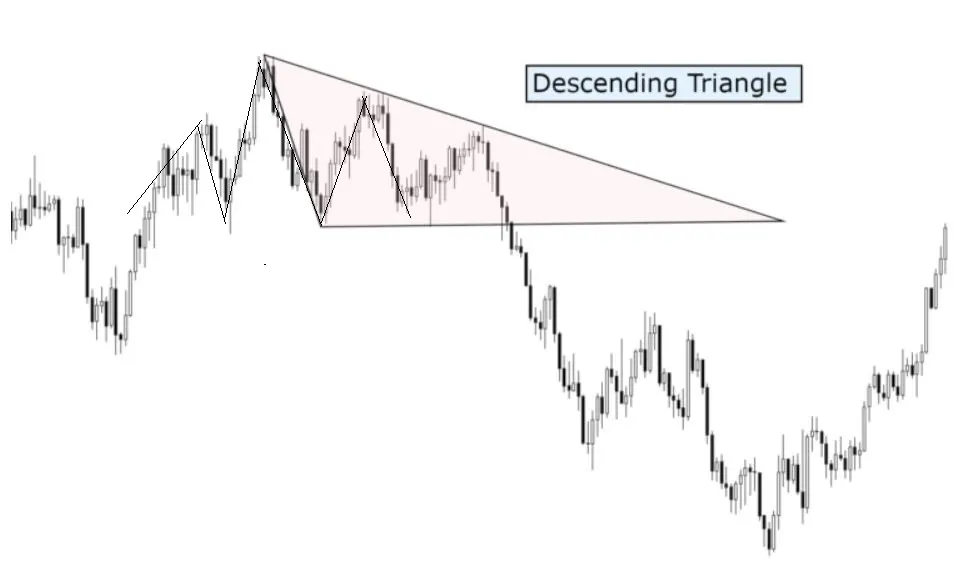
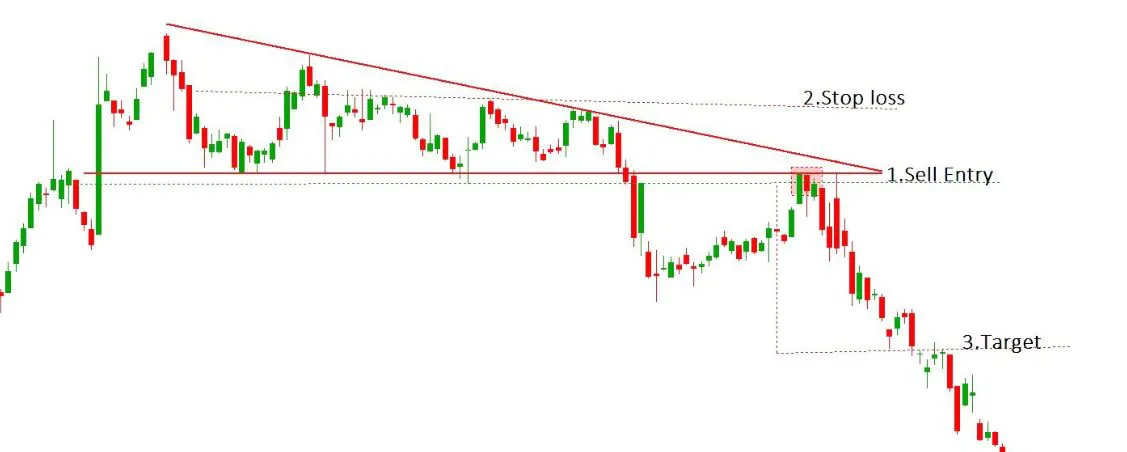
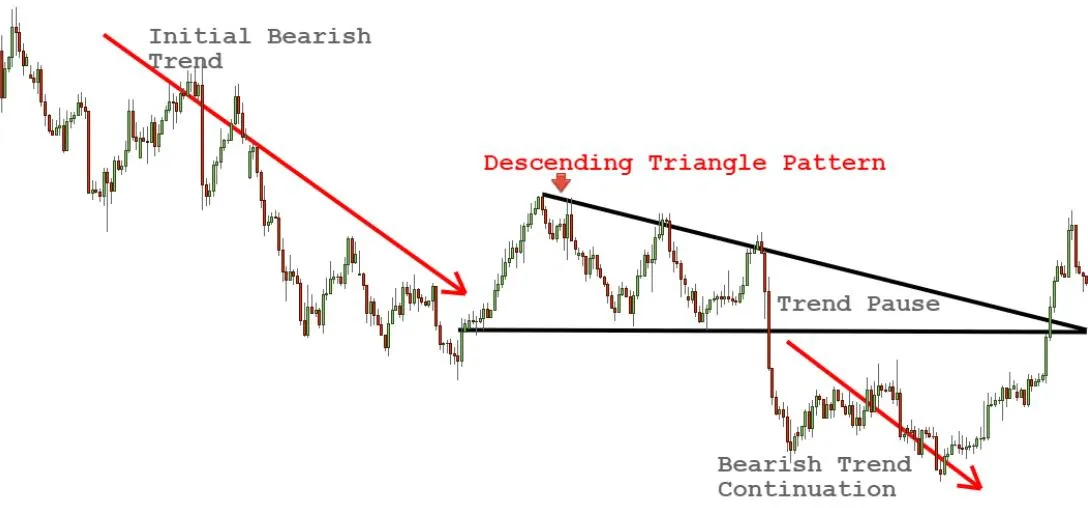
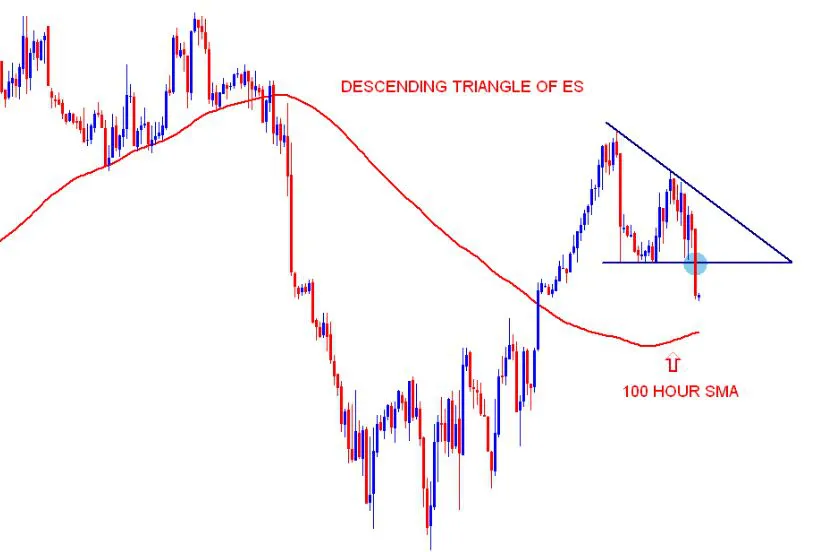
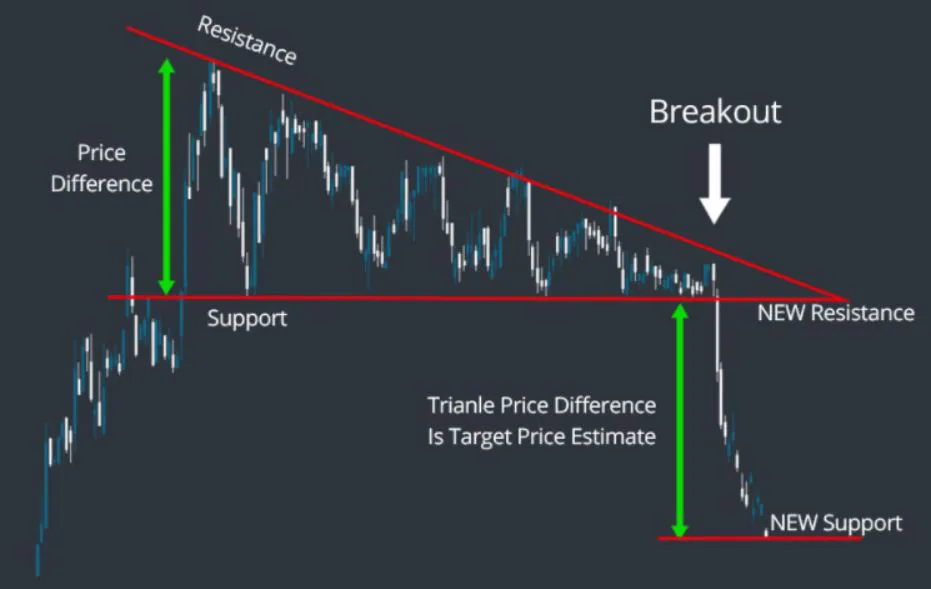
- Descending triangle pattern
TRIANGLES
In technical analysis and price action, triangles patterns plays a main role.
A triangles pattern is a chart formation that occurs when the price of an asset moves within a converging range, forming triangle like structure on the chart.
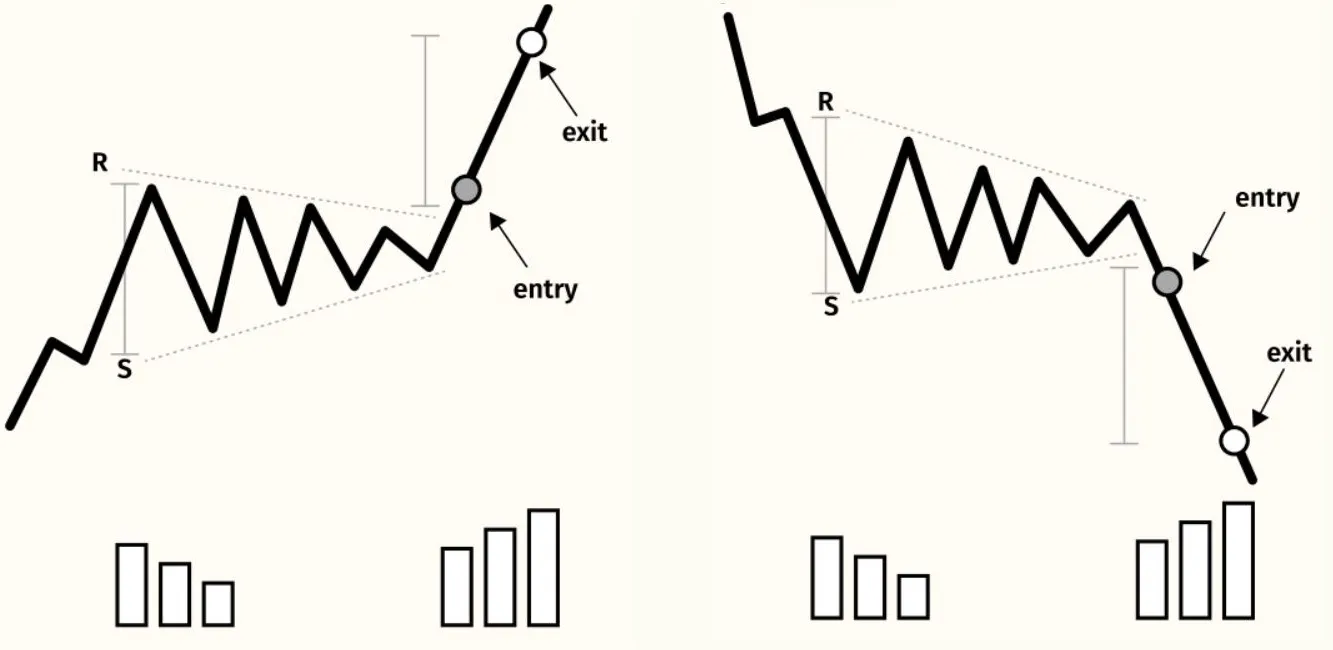
A Triangle pattern is a chart formation that happens when the price of an asset moves sideways within two converging lines.
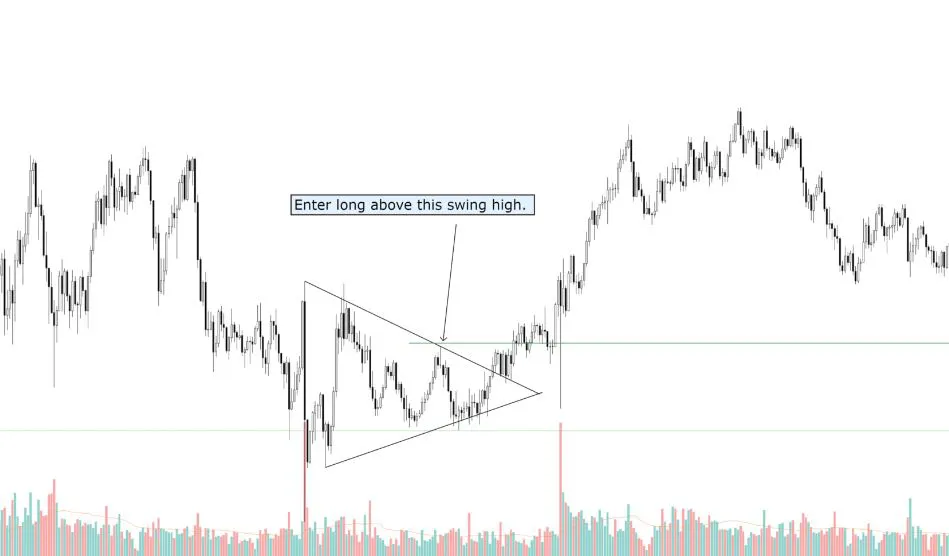
This usually happens in the middle of a trend and suggests that the trend will continue. When the price breaks out of the triangle in the direction of the previous trend, it can be a good time to take a position.
This pattern occurs when the price of an asset is moving between two trend lines, with the upper trend line acting as resistance and the lower trend line acting as support.
As the price continues to move within this range, the distance between the trend lines narrows, forming a triangle pattern.
The Symmetrical Triangle pattern doesn't depend on whether the market trend is going up (Bullish) or down (Bearish). What really matters is when the price breaks out of either the upper or lower trend line of the pattern.
This pattern occurs when the price of an asset is trending upwards and faces a resistance level. As the price continues to rise, it meets the resistance level multiple times, forming a horizontal line.
The lower trend line, which connects the higher lows, slopes upward, forming a triangle pattern.
This pattern occurs when the price of an asset is trending downwards and faces a support level. As the price continues to decline, it meets the support level multiple times, forming a horizontal line.
The upper trend line, which connects the lower highs, slopes downward, forming a triangle pattern.
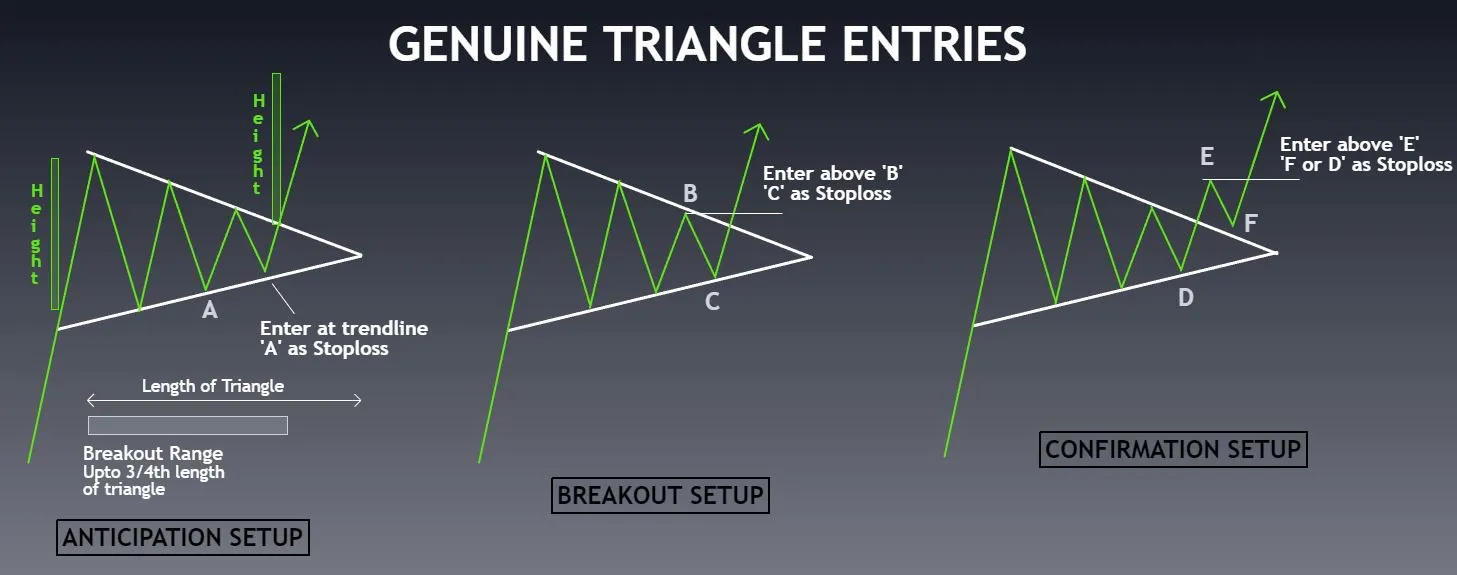
How to take position in the market?
- Depending on trading psychology and individual risk, some Traders follow below rules to enter into positions.
The Triangle pattern may not be as reliable in markets with low liquidity or penny stocks, where price movements can be erratic and difficult to predict.