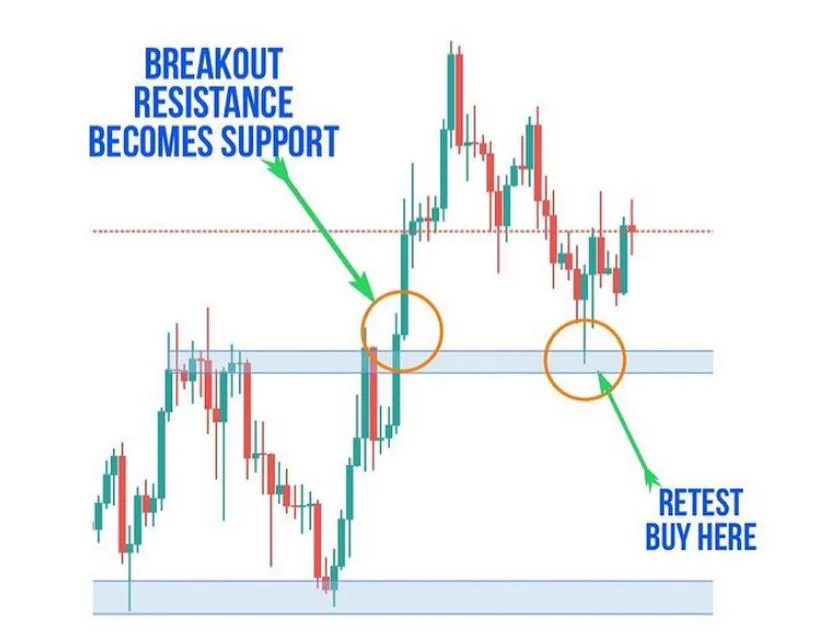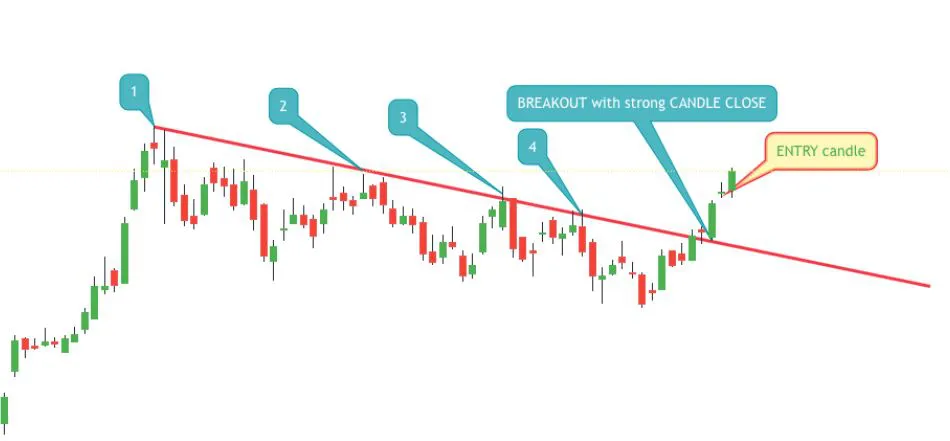
Breakout , Fakeout & Retest

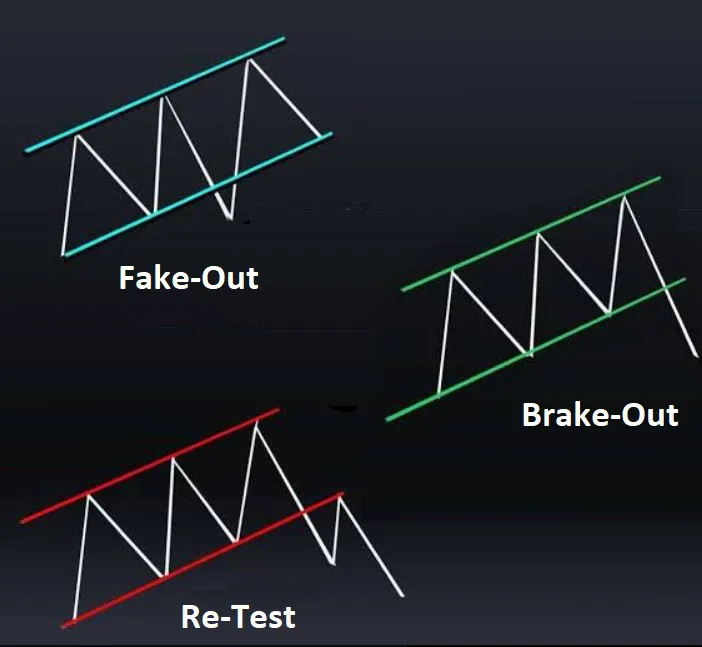
Breakout, Fake-out and Retest are the terms used in technical analysis to describe price movements that occur when an stock's price moves above or below a key support or resistance level.
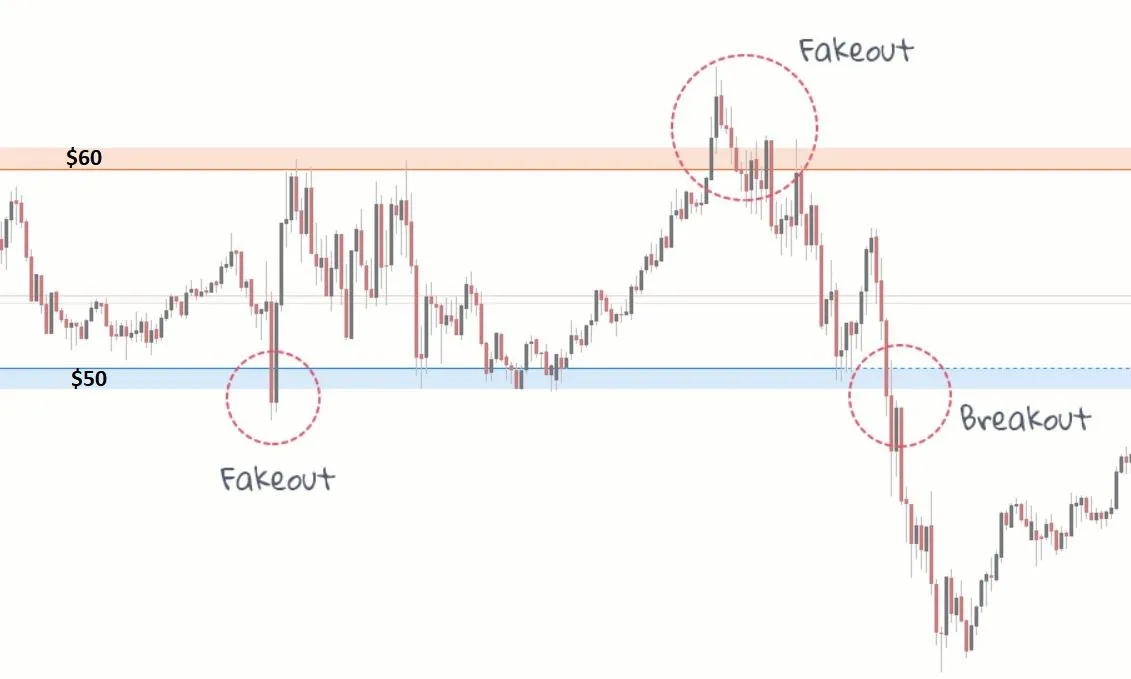
  1. Breakout

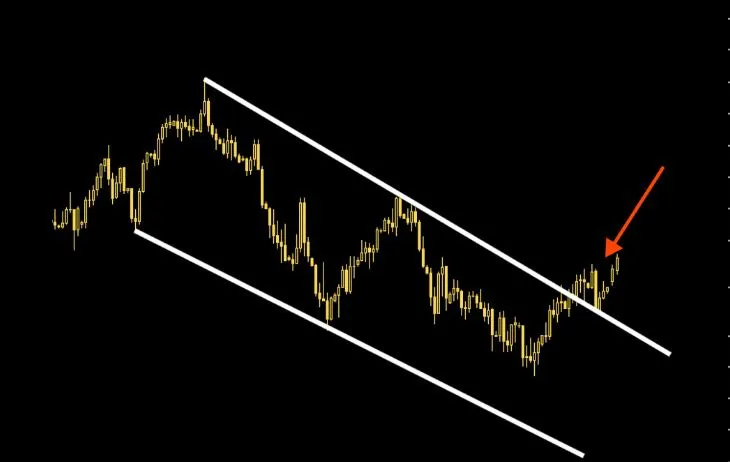
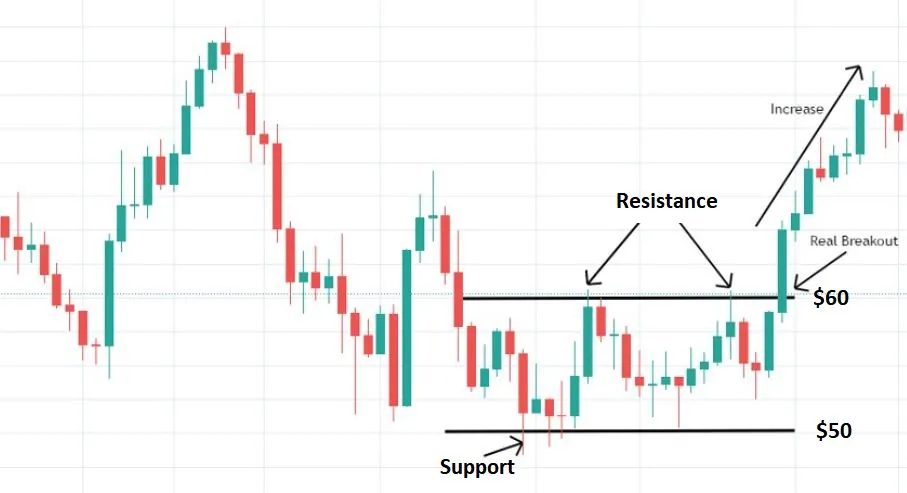
    A breakout occurs when the price of an asset moves above a key resistance level or below a key support level, indicating a potential change in market sentiment and the potential for a trend to develop in the direction of the breakout.

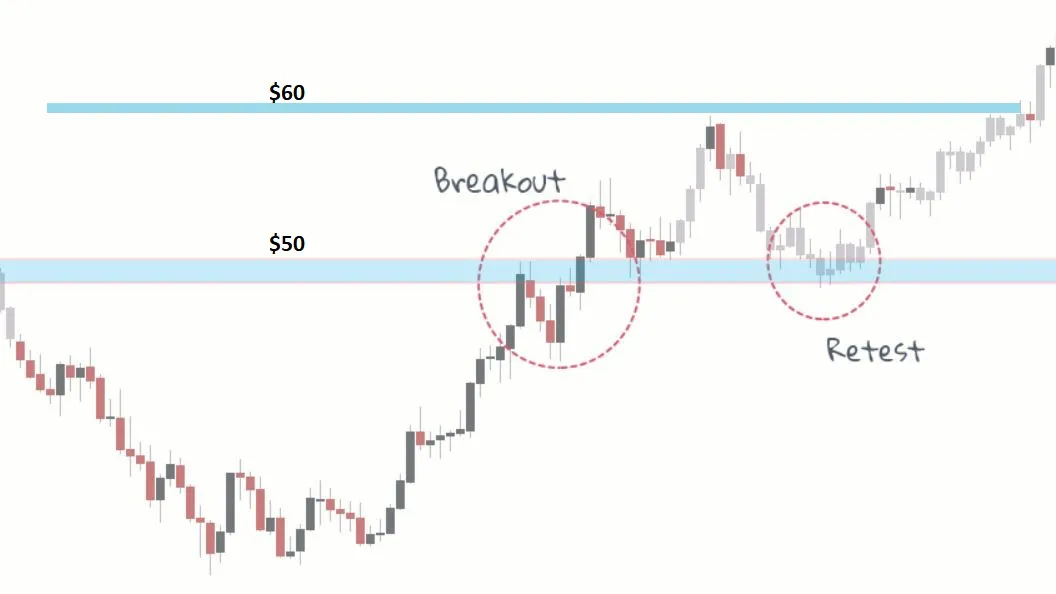
    For example, if the price of a stock has been trading within a range between $50 and $60 for several weeks and then suddenly breaks above the $60 resistance level with high trading volume, this could be a breakout that signals a potential uptrend.

    • Breakouts are often accompanied by high trading volume, which can confirm the strength of the move.
    • Traders can use breakouts to identify potential entry and exit points, as well as to set stop-loss and take-profit levels.
    • Breakouts can occur in various timeframes, from short-term intraday moves to longer-term trend reversals.
    • Traders should use additional technical analysis and indicators to confirm the strength of the Breakout and avoid false breakouts.
  2. Fakeout

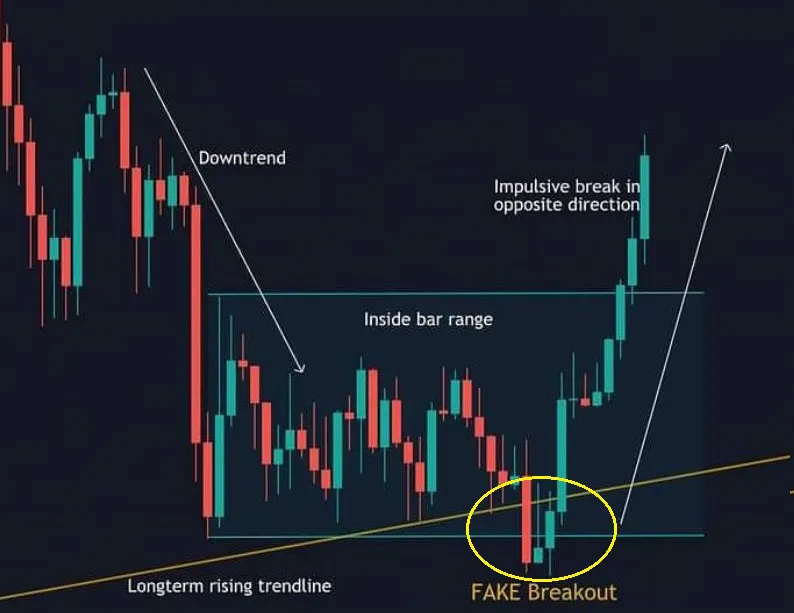
    A fakeout, also known as a false breakout, occurs when the price of an asset briefly moves above or below a key support or resistance level, but then quickly reverses and moves back within the range.

    Fakeouts can occur when there is not enough buying or selling pressure to sustain the move beyond the key level.

    For example, if the price of a stock briefly breaks above the $60 resistance level but then quickly falls back within the $50-$60 range, this could be a fakeout that indicates that the market is not yet ready to move in the direction of the breakout.

    • Fakeouts happen when there isn't enough buying/selling power to maintain a move beyond a key level, leading to losses for traders who entered based on the false signal.
    • Traders can avoid fakeouts by using technical analysis and indicators (e.g. volume, moving averages, RSI, Bollinger Bands) to confirm the strength of the Breakout is Real or Fake.
  3. Retest

    In technical analysis, a Retest is when an asset's price returns to a previous level that it has already achieved/tested before.

    For example, let's say that a stock is trading at $50 per share, and it has previously tested a resistance level at $60 but failed to break through it and falls back to near round $50 again. If the stock's price rises to $60 again, traders will be watching to see if it can break through this level, or if it will be rejected once again.

    If the price is rejected, this confirms that the resistance level is still valid, and the stock is likely to fall back down to lower levels. If the price breaks through, this indicates that the resistance level has been breached, and the stock may continue to rise.

    • Retests can occur in either an uptrend or a downtrend, and they are used to confirm the validity of support or resistance levels.
    • Retests are an important tool in technical analysis because they allow traders to confirm their analysis and make more informed decisions.

Traders often use technical indicators and analysis to confirm breakouts and avoid fakeouts, as well as to set appropriate stop-loss levels to manage risk.

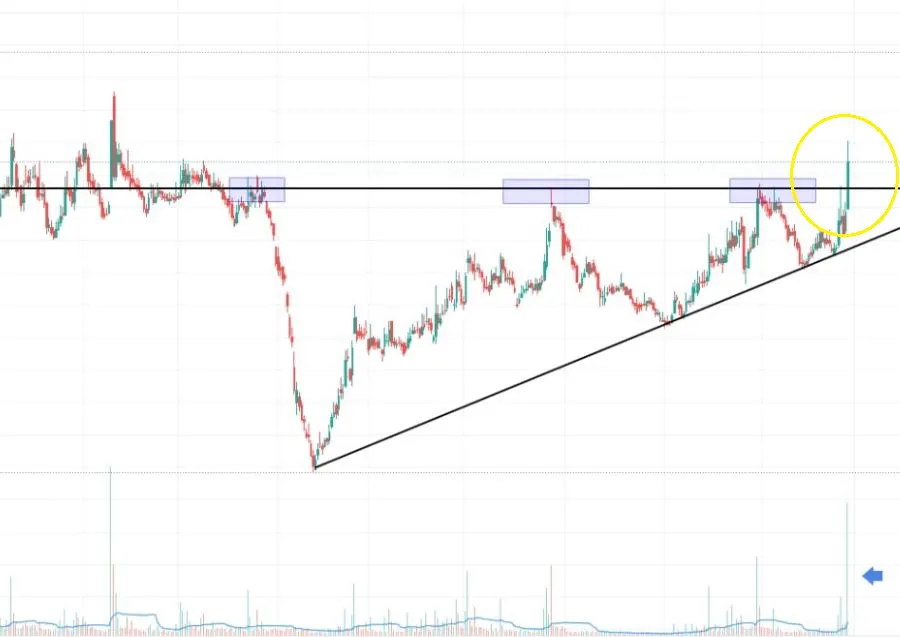
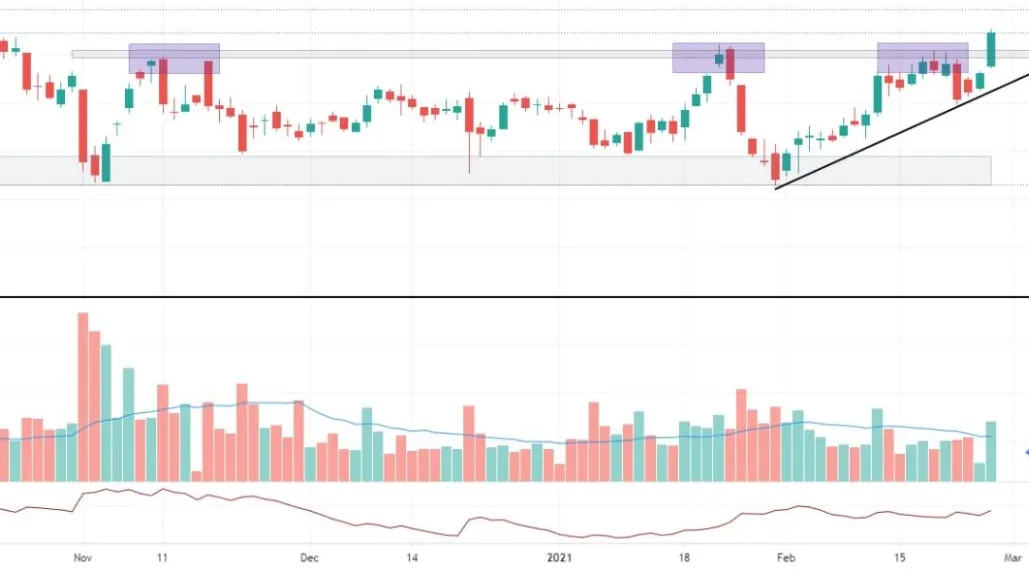
Example-1 : Breakout with a Long Candle


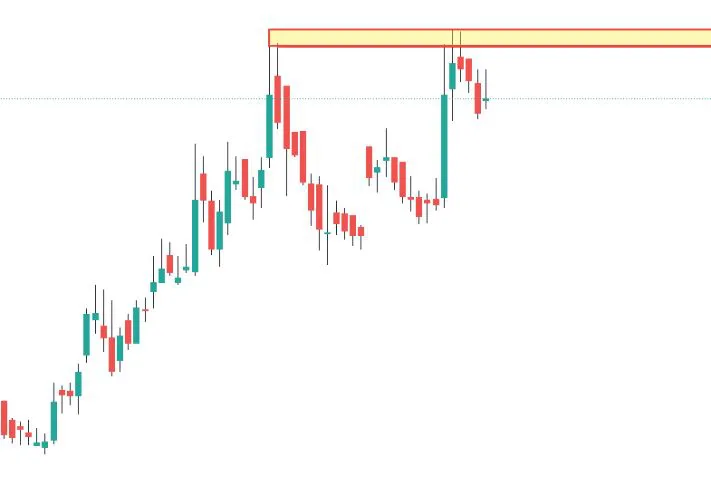
Example-2 : Just market Bounced back due to High sell pressure Resistance zone


Example-3 : Perfect Breakout of side market Channel


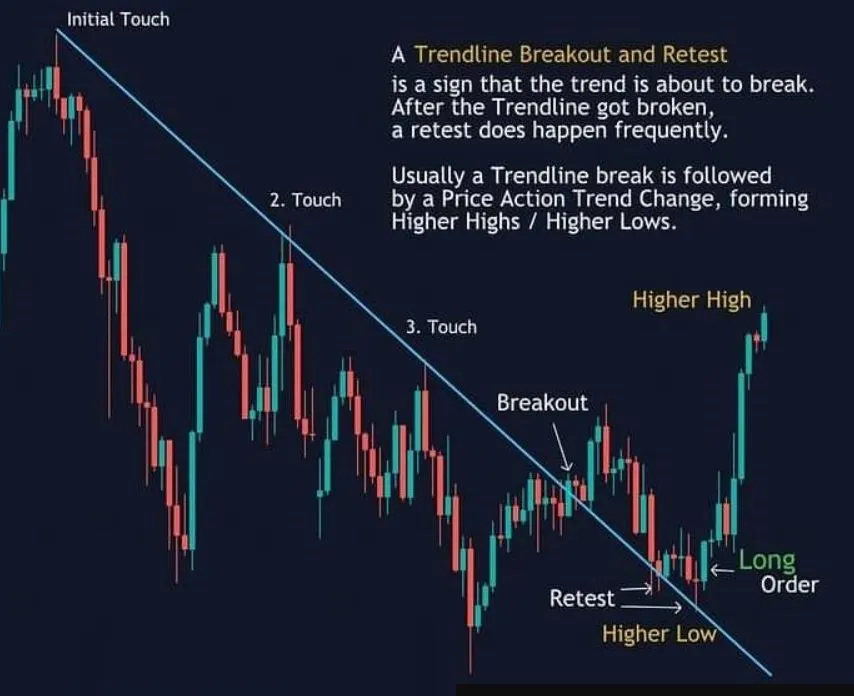
Example-4 : Perfect Retest of Market with a Trend line


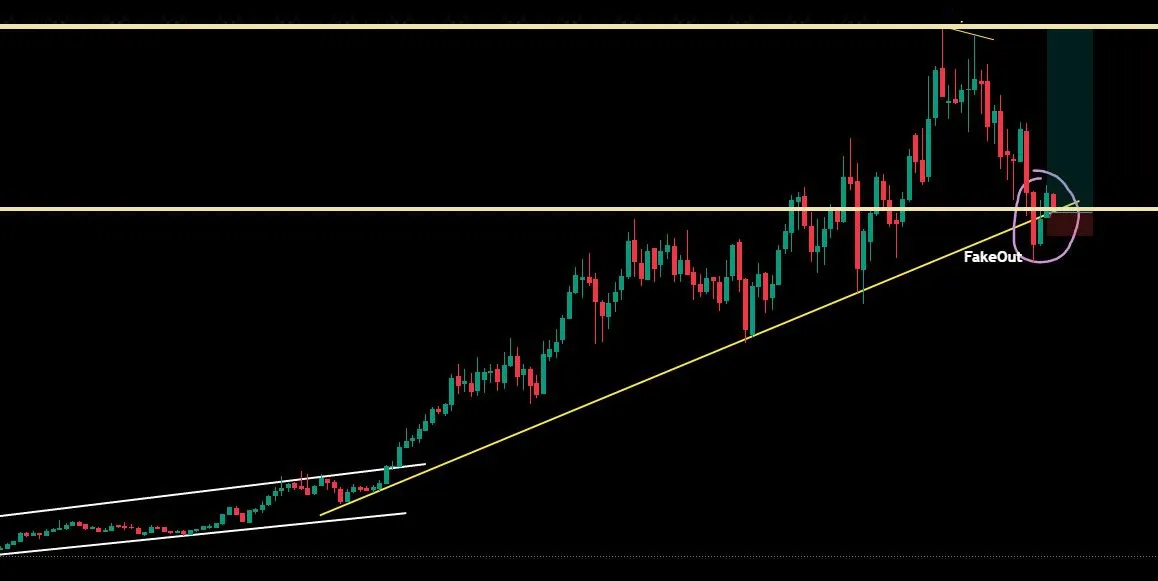
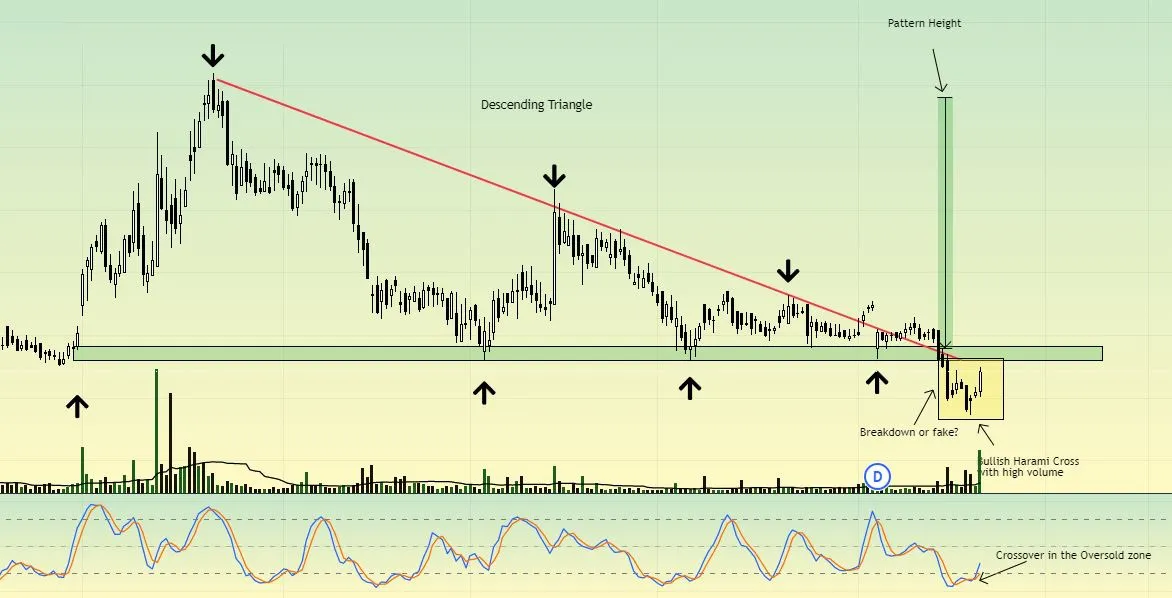
Example-5 : Fake-Out of Market as price breaks support line and suddenly goes back to same price level


Example-6 : Market has Done a Retest. Need to wait to check that market makes Fakeout or Retest


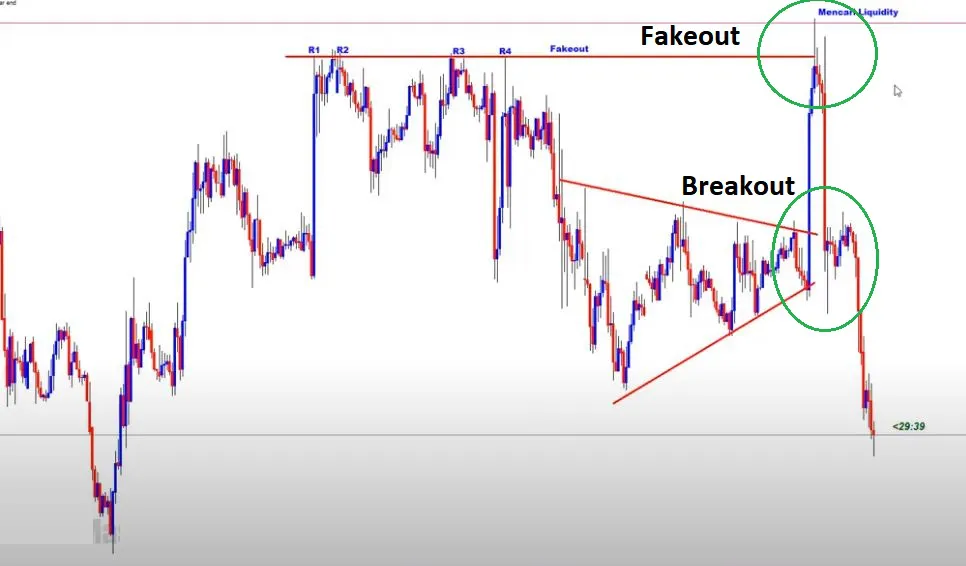
Example-7 : Fake-out and Break-out


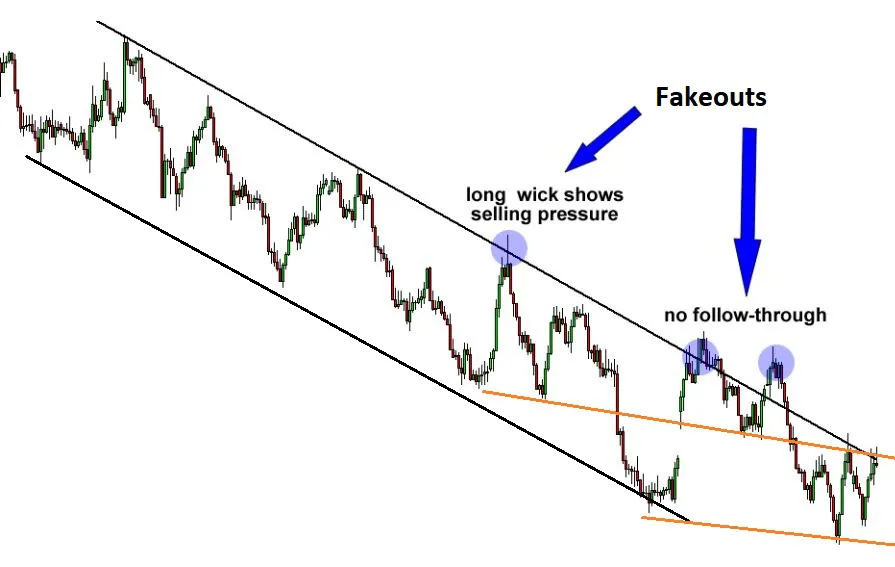
Example-8 : Multiple Fakeout can be seen here. If observed carefully, the Slop of Black higher than the Red channel. By this we can assume that there a High chance of Price may reverse. That is why we can see multiple Fakeouts as Buyers came in.


Example-9 : Market successfully Broke the Symmetric triangle, but made a Fake breakout at the Top Trend line.


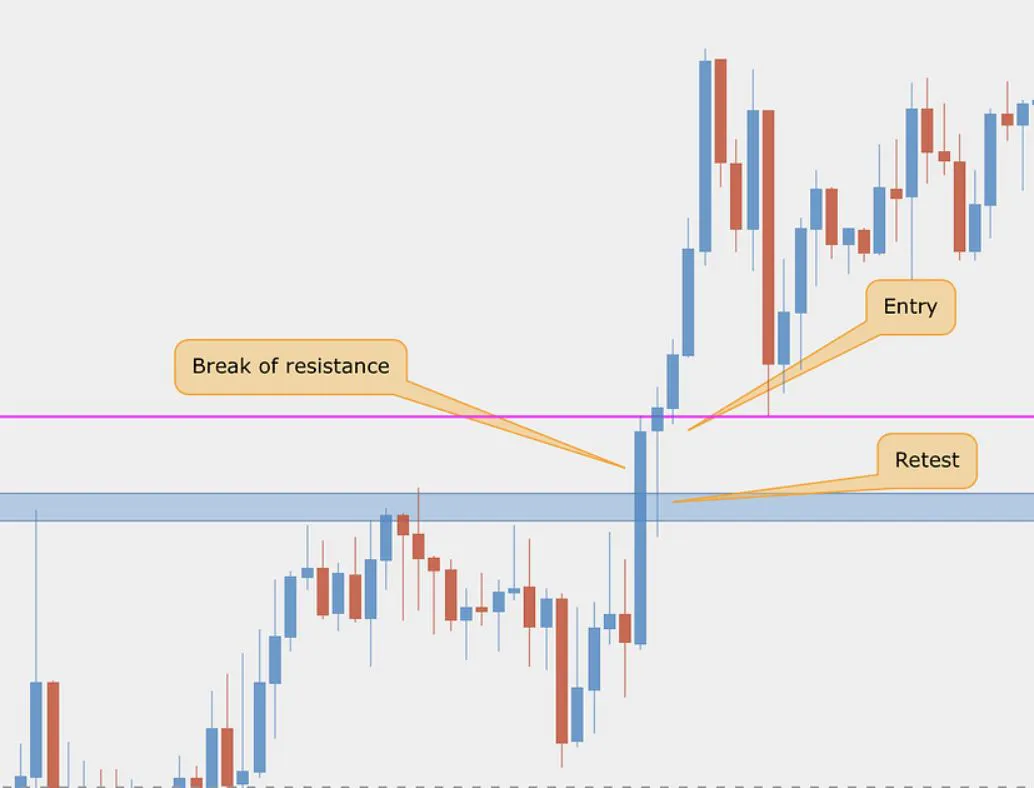
Example-10 : Breakout with Big candle and made a Retest Too. Perfect example to enter into the Trade.


Example-11 : Breakout and Retest


Share the App - Share Alpha