MACD

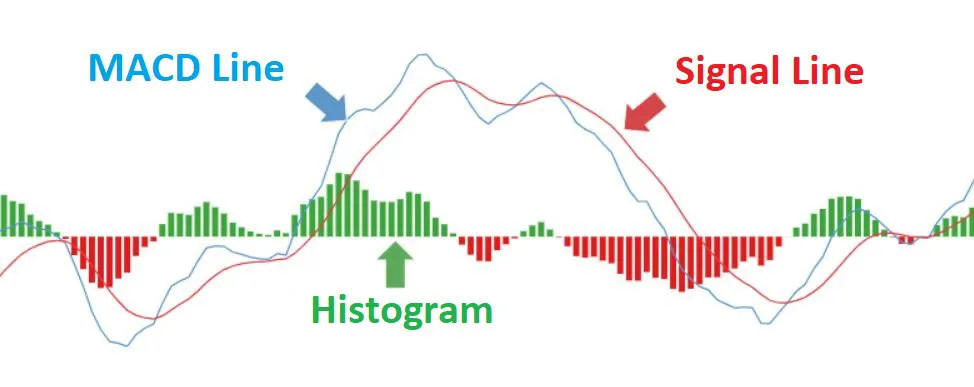
MACD, which stands for Moving Average Convergence Divergence, is a technical analysis indicator that helps traders identify trends and potential momentum shifts in the price of an asset.

MACD indicator line flows on positive and negative direction.
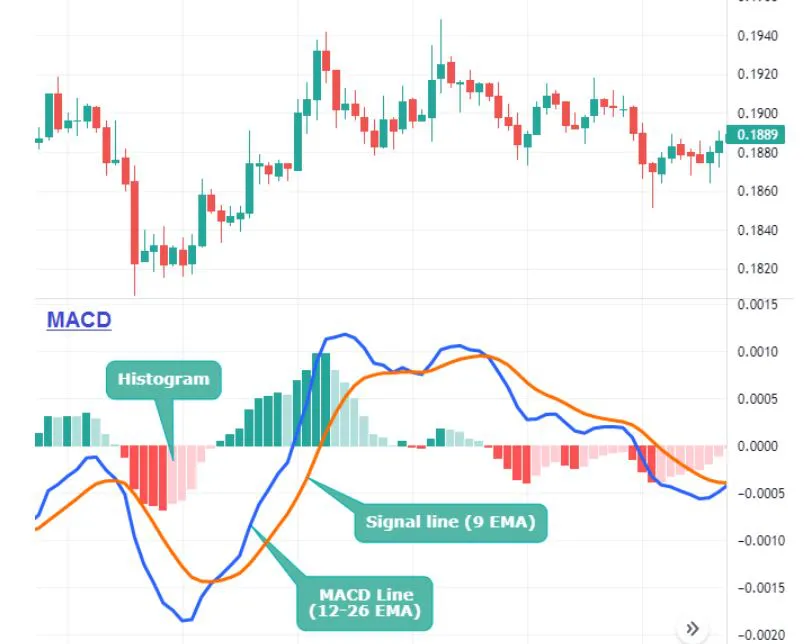
When the MACD line is positive, it indicates that the short-term moving average is above the long-term moving average, which suggests that the price is trending upwards.

When the MACD line is negative, it indicates that the short-term moving average is below the long-term moving average, which suggests that the price is trending downwards.
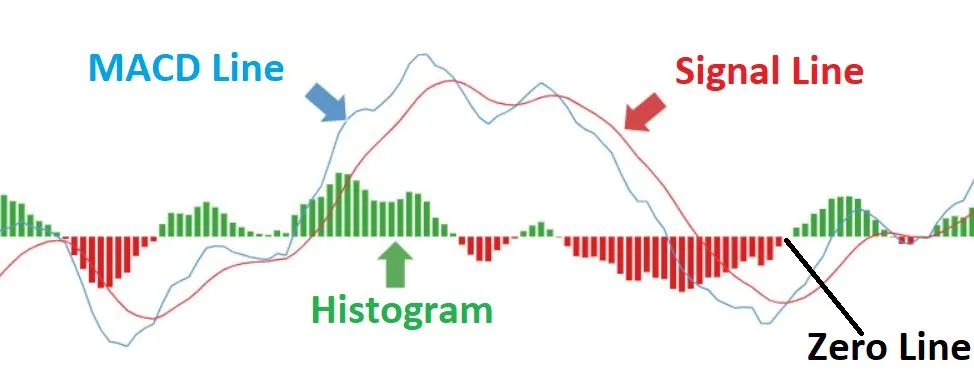
Components of MACD indicator:


How to use MACD?
- There are multiple ways to use the MACD. Below are the few examples.

  1. MACD Crossover Strategy

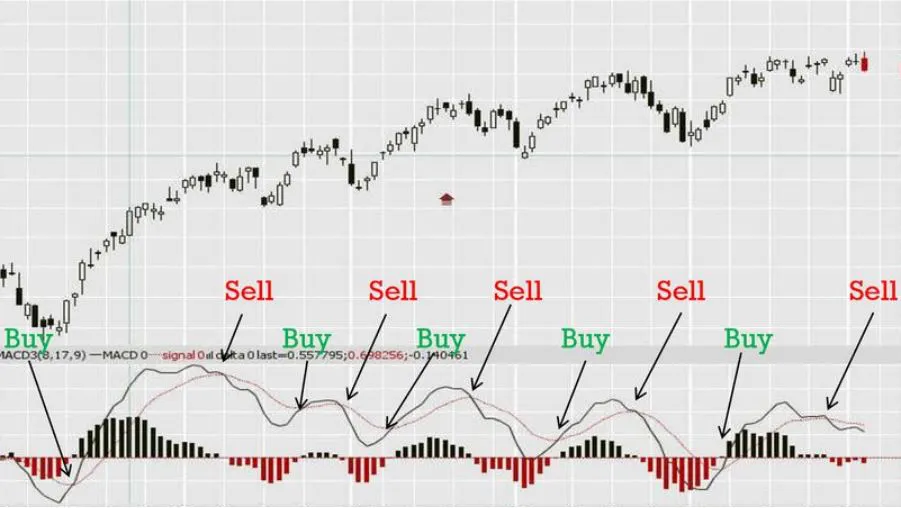
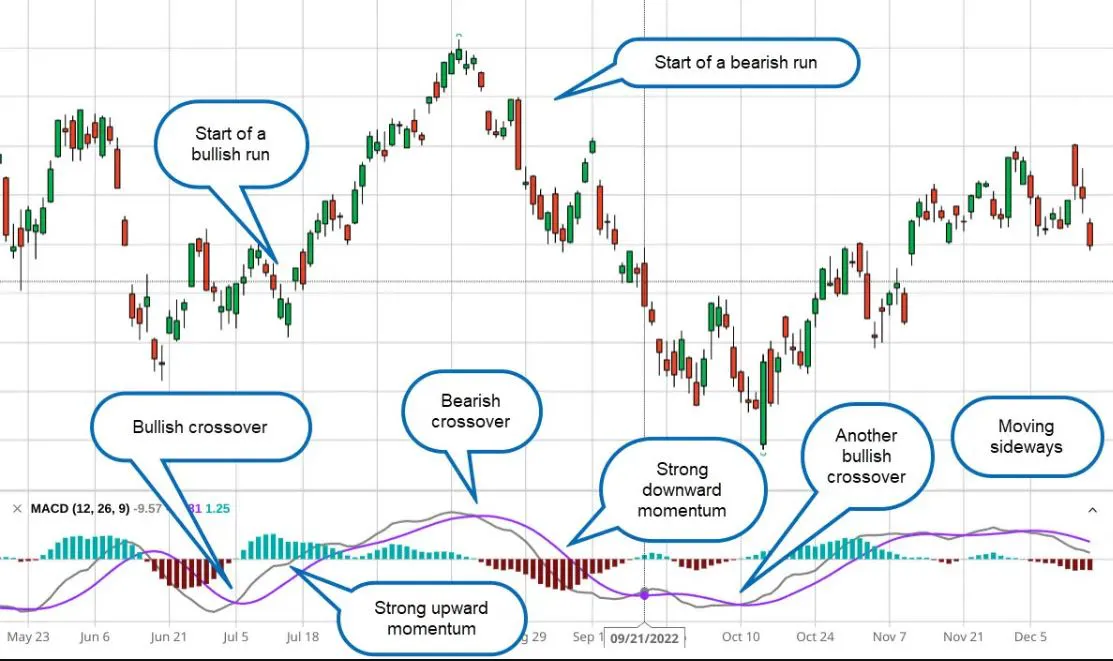
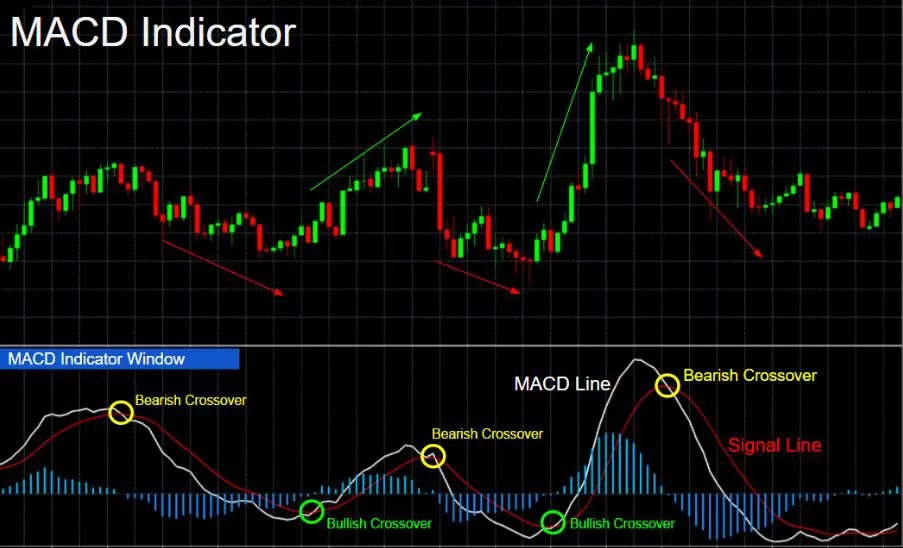
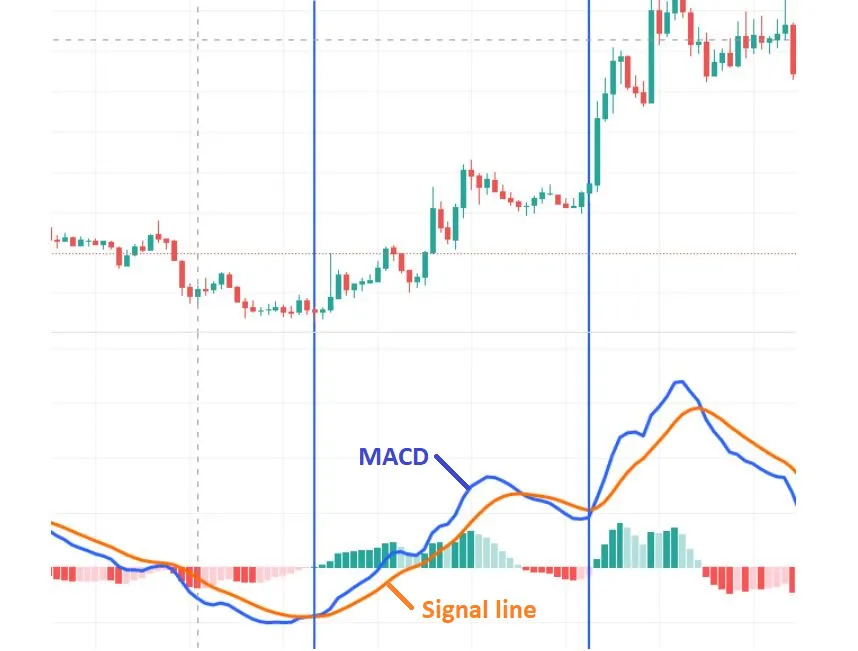
    The MACD Crossover Strategy is a popular trading strategy that uses the crossover of the MACD line and signal line to generate buy and sell signals.

    Based on crossover, there are 2 types:


    1. Bullish Crossover:
    When the MACD line is below Zero level and crosses Signal line, this indicating that the market may soon be turning bullish.


    • Check the MACD Histograms and make sure they are making higher lows, indicating an uptrend.
    • Look for the MACD line to cross above the signal line, which is a buy signal.
    • Set a target for the trade until the MACD line crosses below the signal line.
    • Determine a stop loss using a trend line or the lowest price of the previous candles.

    2. Bearish Crossover:
    When the MACD line is above Zero level and crosses below the Signal line, this indicating that the market may soon be turning Bearish.


    • Check the MACD Histograms and make sure they are making Lower lows, indicating an uptrend.
    • Look for the MACD line to cross below the signal line, which is a sell signal.
    • Set a target for the trade until the MACD line crosses above the signal line.
    • Determine a stop loss using a trend line or the highest price of the previous candles.


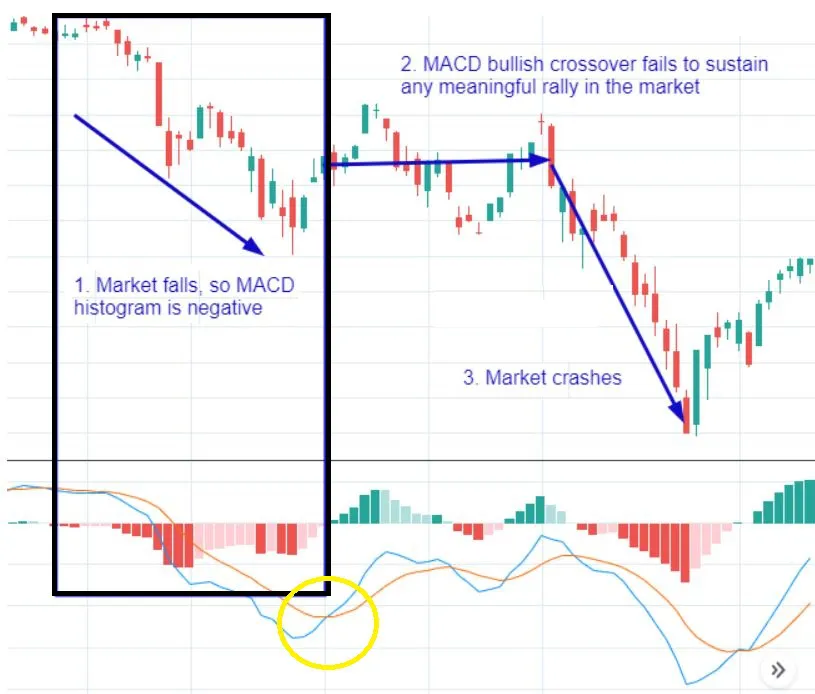
    Note: The MACD Crossover strategy, while popular, often fails to perform well in various market conditions and tends to produce inaccurate signals. However, it can still be used effectively as a tool to find market momentum.

  2. MACD Divergence Strategy

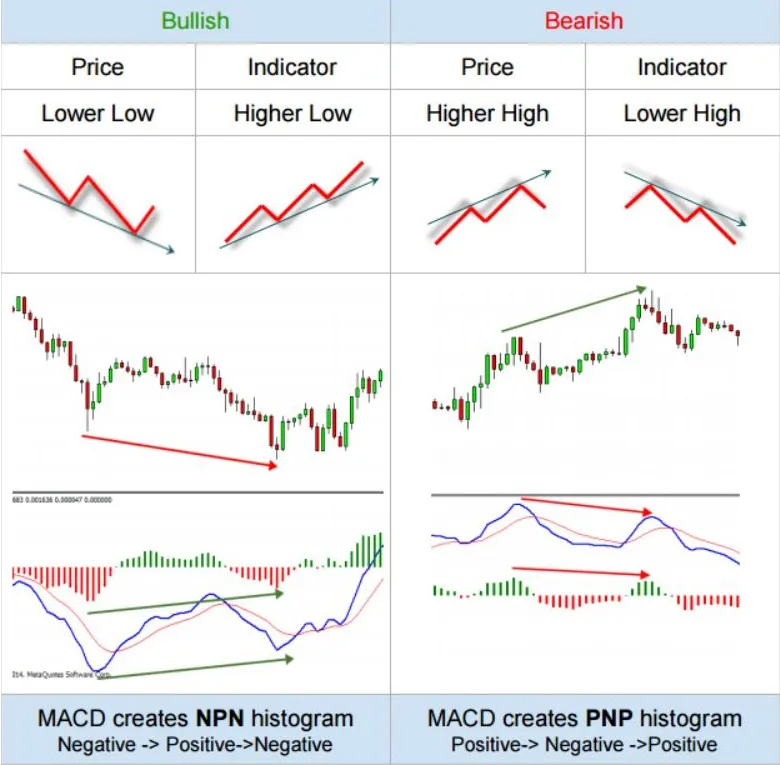
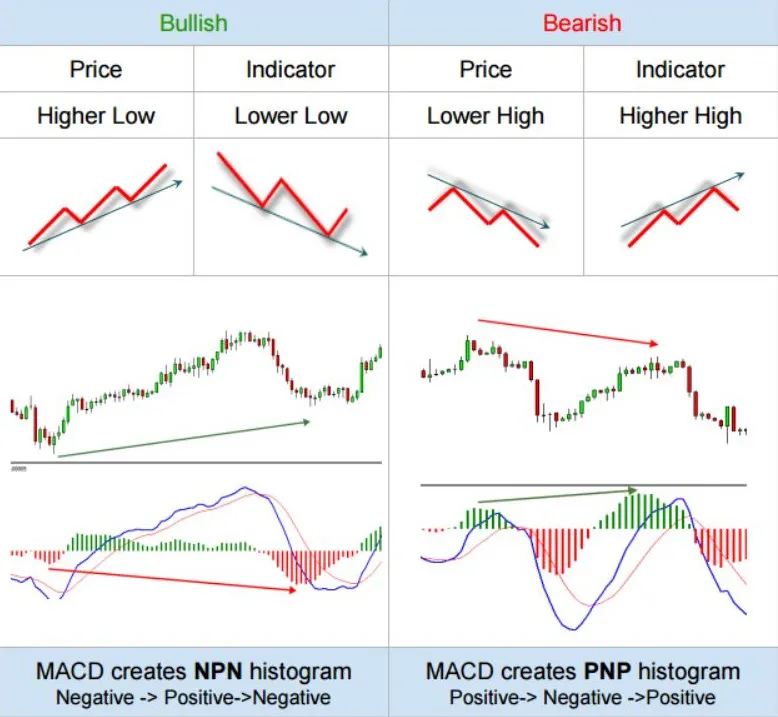
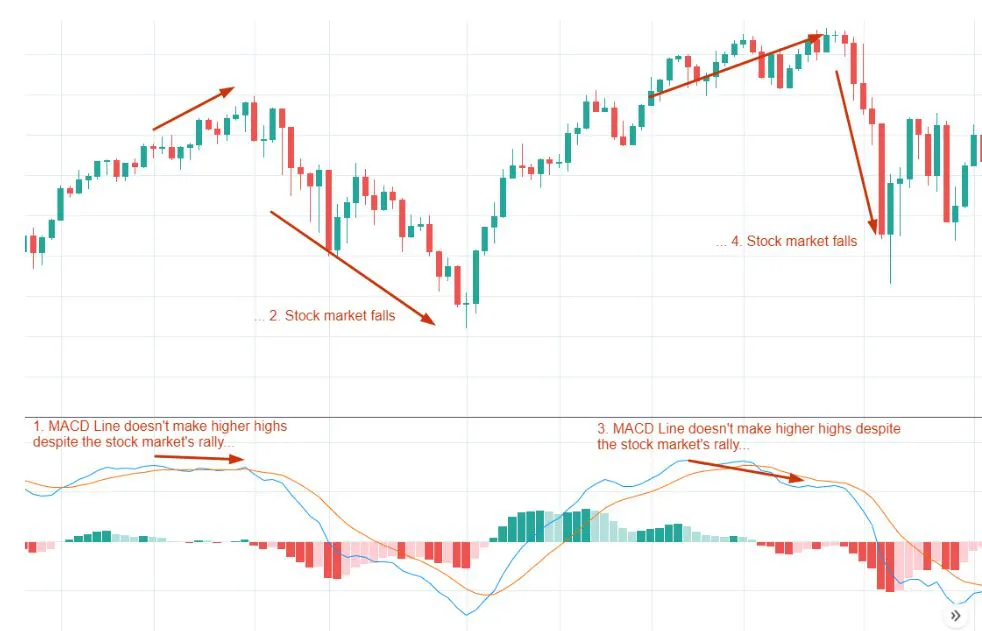
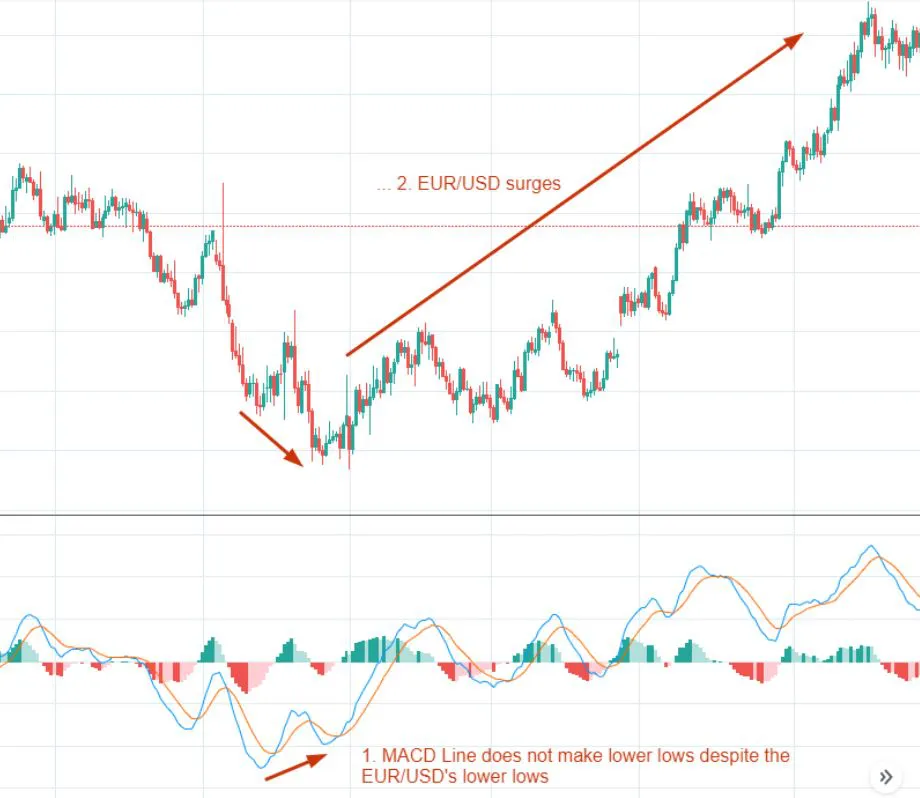
    The MACD Divergence Strategy is a trading strategy that uses divergences between the MACD indicator and price action to identify potential trend reversals.

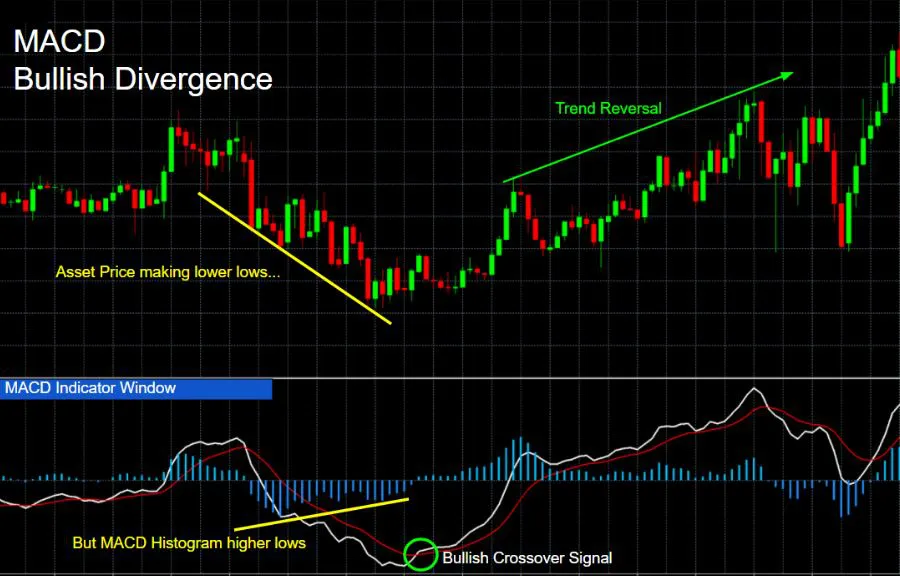
    1. Bullish Divergence:
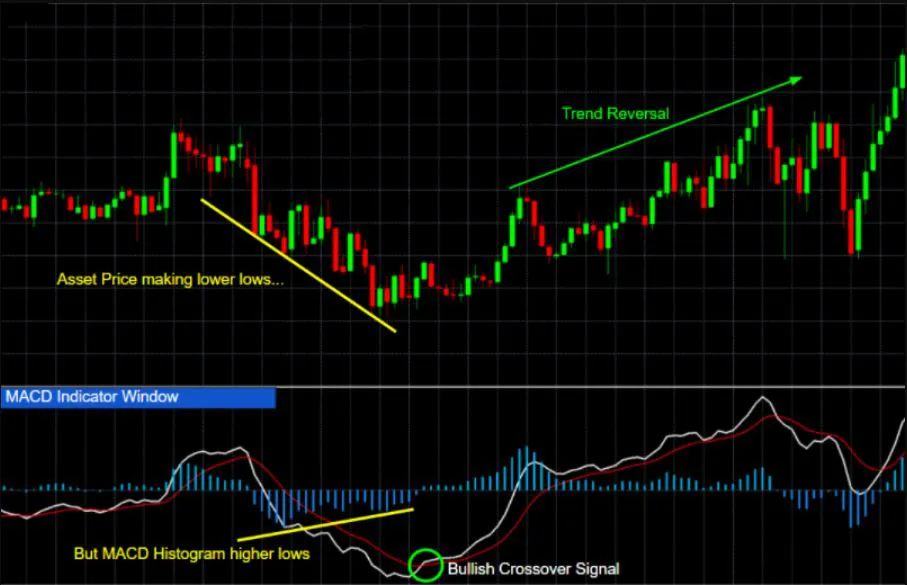
    Occurs when the price is on a downtrend but the MACD histogram is showing uptrend, signaling a potential bullish reversal.


    • Check that the price is making lower lows, indicating a downtrend.
    • Check that the MACD Histograms are making higher lows, indicating an uptrend.
    • Look for the MACD line to cross above the signal line, which confirms buy signal.
    • Target can be set till MACD line crosses below signal line.
    • Stop loss can be set by Trend line or Lowest price of the previous candles.

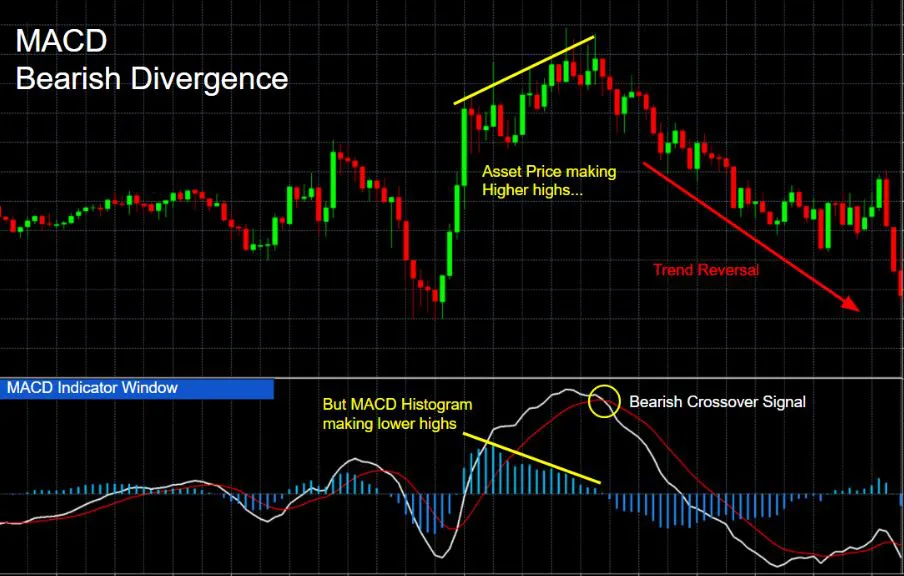
    2. Bearish Divergence:
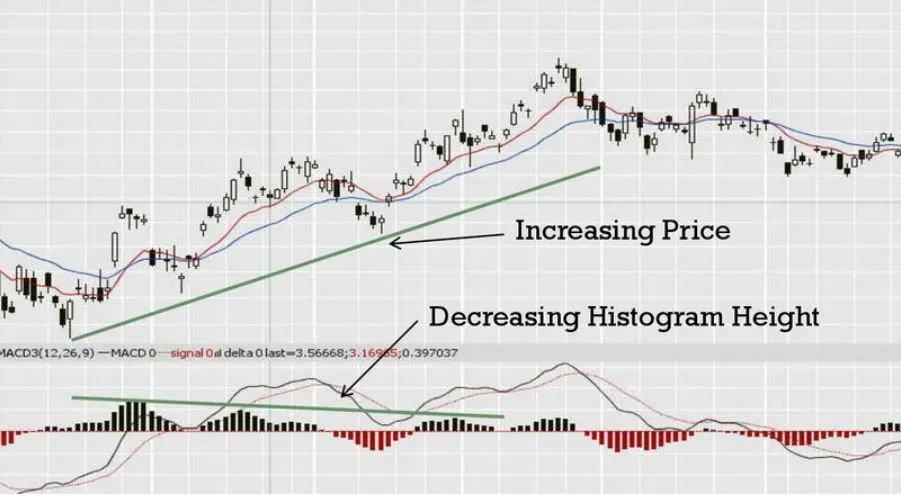
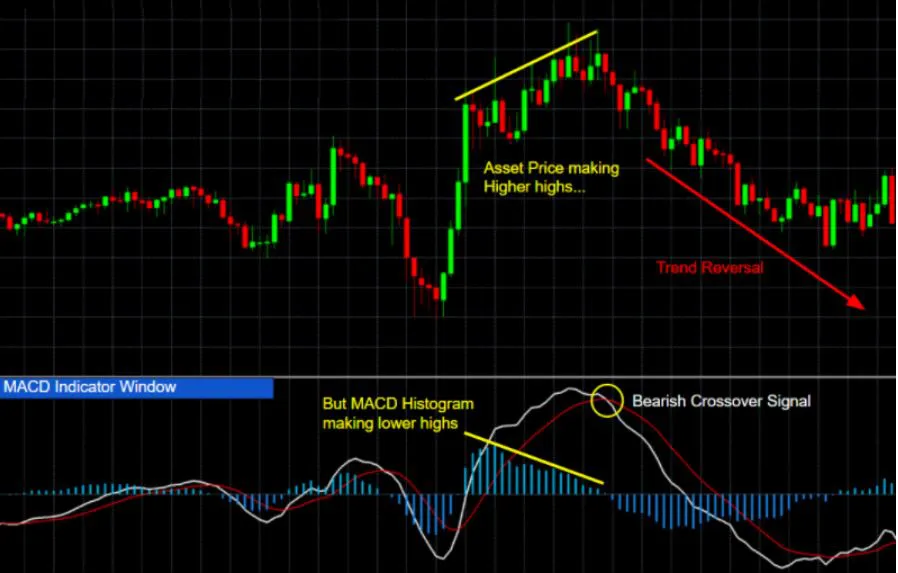
    Occurs when the price is on a uptrend but the MACD histogram is showing downtrend, signaling a potential bearish reversal.


    • Check that the price is making higher highs, indicating an uptrend.
    • Check that the MACD Histograms are making lower lows, indicating a downtrend.
    • Look for the MACD line to cross below the signal line, which confirms Sell signal.
    • Target can be set till MACD line crosses above signal line.
    • Stop loss can be set by Trend line or Highest price of the previous candles.

Pros of MACD

  • Represents the trend in the market, making it easier to identify potential entry and exit points.
  • Shows strength of the market trend and momentum of the market
  • Shows over brought and over sold areas
  • Can determine the reversal of the trend
  • Works good in volatile and high momentum market

  • Cons of MACD

  • Lots of false signals
  • Its a lag indicator. Signal can obtain after price action. Opportunities can be missed
  • Need another indicator for the proper entry of the signal
  • Does not suitable for sideways market
  • Below image shows the Failure of Bullish MACD crossover


    Example-1 : Regular Divergence


    Example- : Hidden Divergence


    Example- : Market drops as Regular Bearish Divergence occurred.


    Example- : Do not trade on every Crossover. Not all Crossovers are Buy and Sell Signals. This resembles a Bad Trade. Always enter Trade with multiple confirmation like using other Technical Indicators or Price Action.


    Example- : Analyzing MACD crossover


    Example- : MACD Bearish Divergence, Price going up but Histogram falling down. This drags price downward.


    Example- : MACD Bullish Divergence, Price falling down while Histogram going up. This drags price upward.


    Example- : Bearish MACD Divergence


    Example- : Bullish MACD Divergence


    Example- : MACD Crossover Analysis


    Example- : Failure of MACD Crossover in Strong Bearish Market.


    Share the App - Share Alpha