VWAP

VWAP stands for Volume Weighted Average Price, and it is a popular technical indicator used in trading and technical analysis for identifying the Trend in the market.

Using VWAP, stocks with prices below VWAP can be considered undervalued, while those with prices above VWAP can be considered overvalued.

It calculates the average price of a stock based on both the price and volume traded during a specific period.

VWAP indicator is more popular for short term traders because it gives more importance to current Volume and Price.
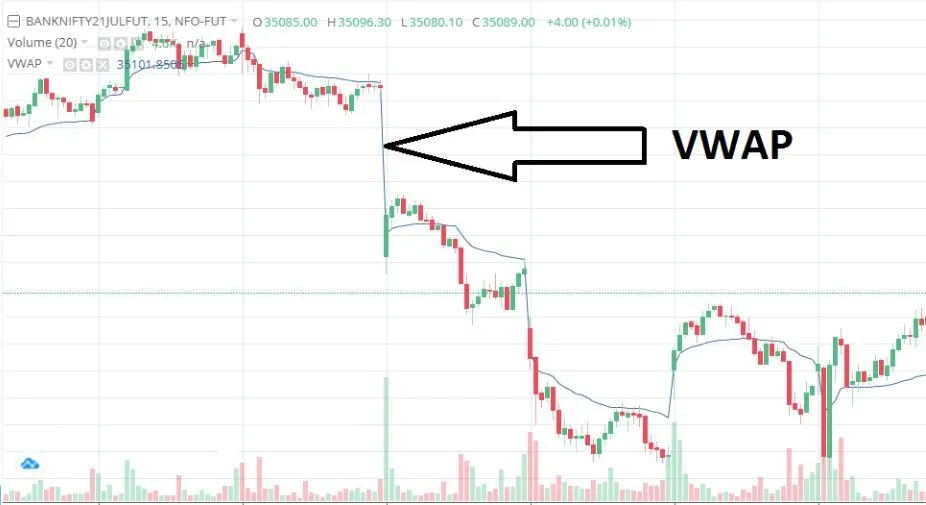

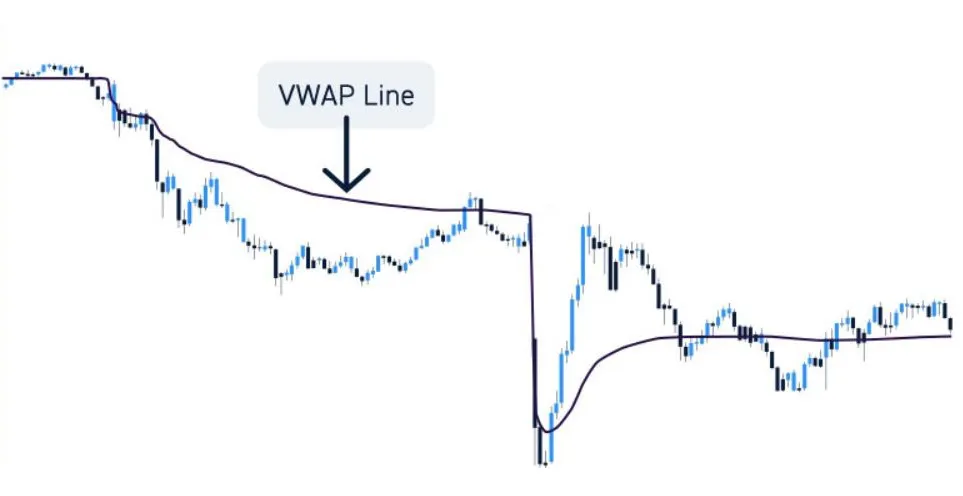
The VWAP indicator is typically displayed as a line on a chart, representing the average price over a specific time period.

It is commonly used by traders and investors to assess the fair value of a security and identify potential support and resistance levels, and market trend.
How to use VWAP indicator?
- There are multiple ways to use the VWAP indicator. Below are the few examples.

  1. Dynamic Support & Resistance and Market Trend

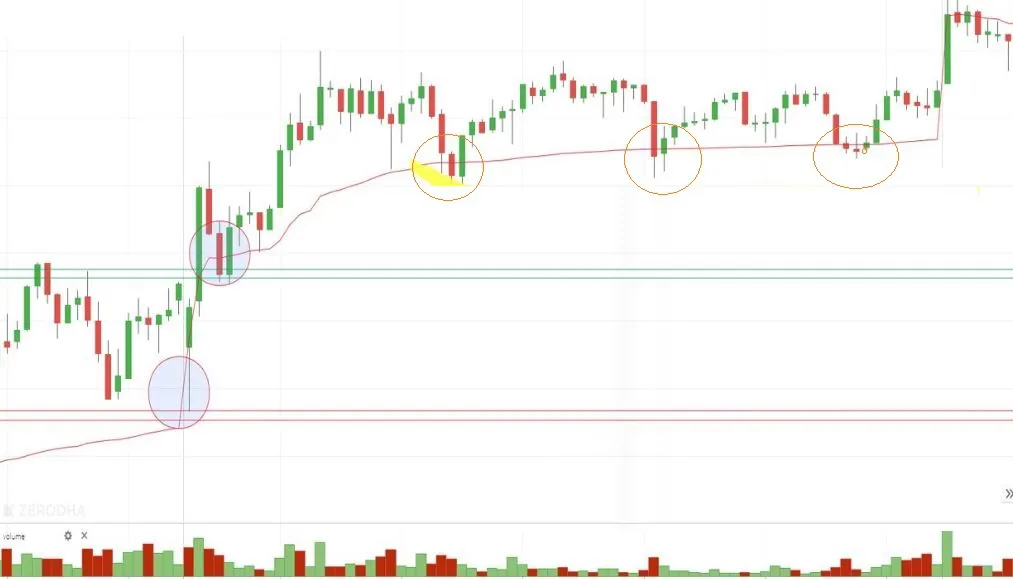
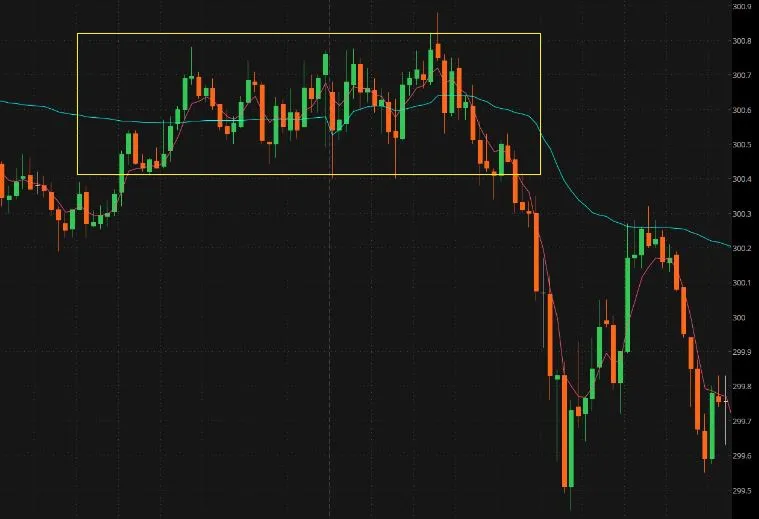
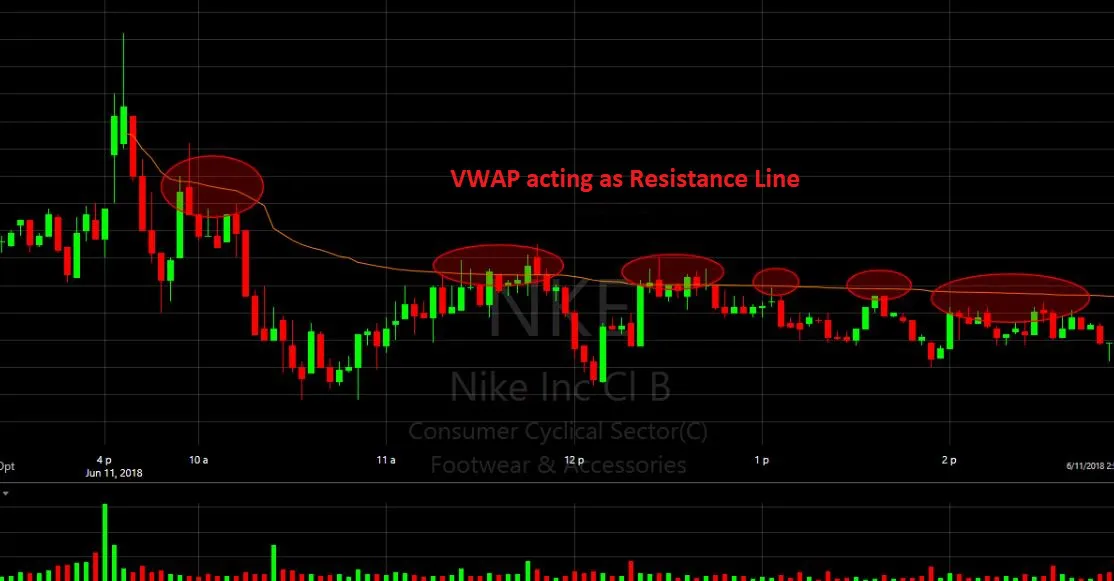
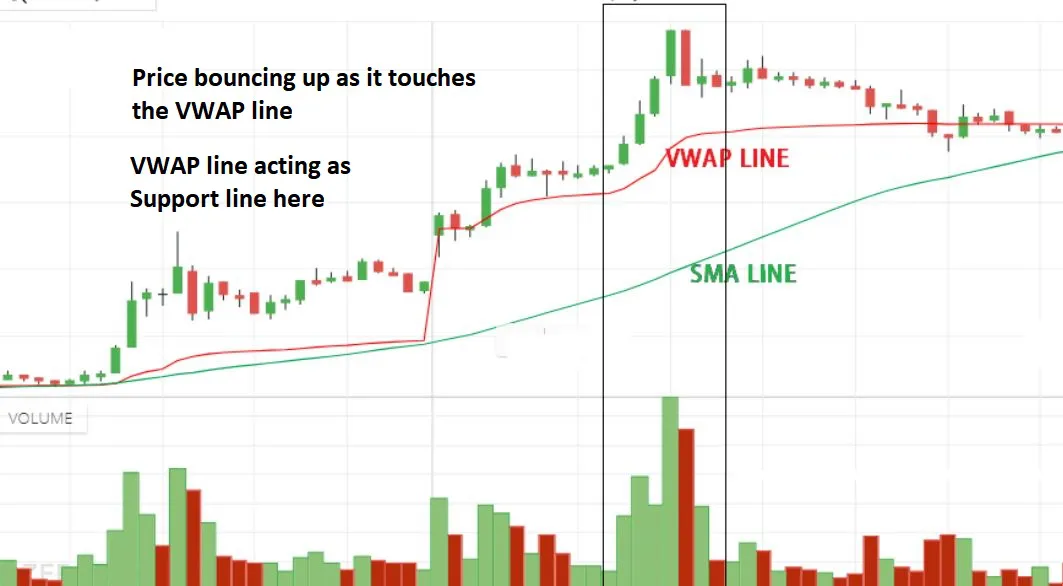
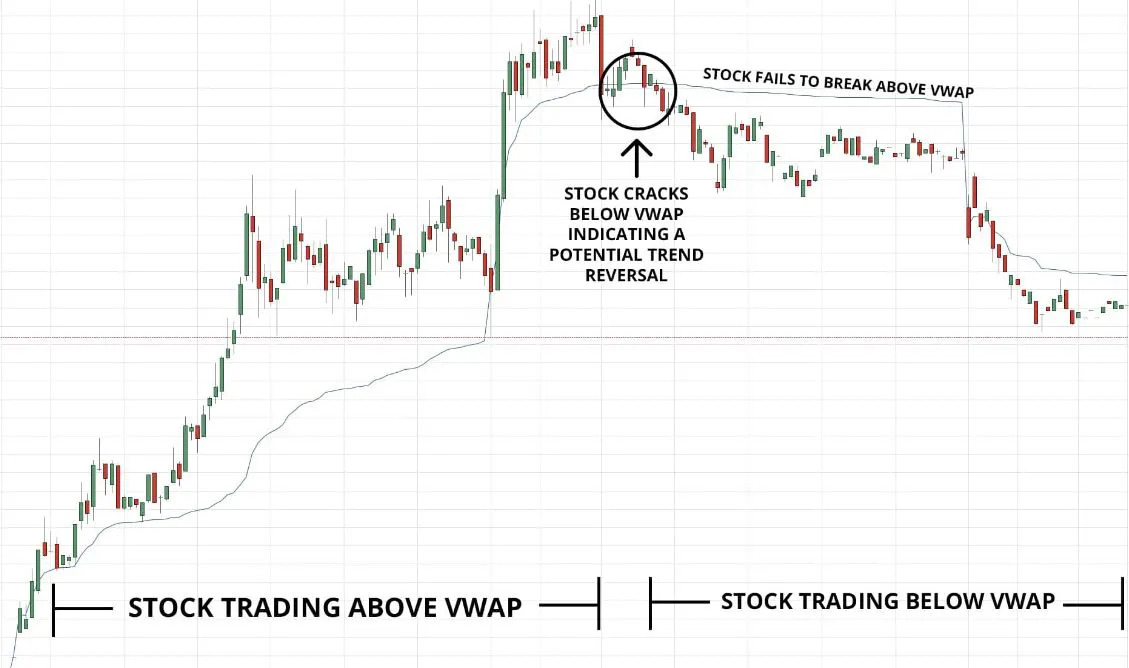
    Traders often use VWAP as a dynamic support or resistance level.

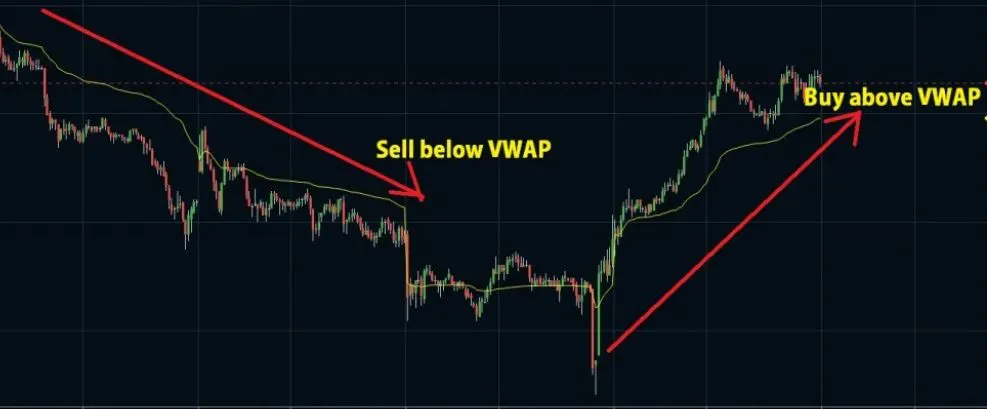
    If the price is above VWAP, it may indicate a bullish sentiment, and traders may look for buying opportunities or long positions.

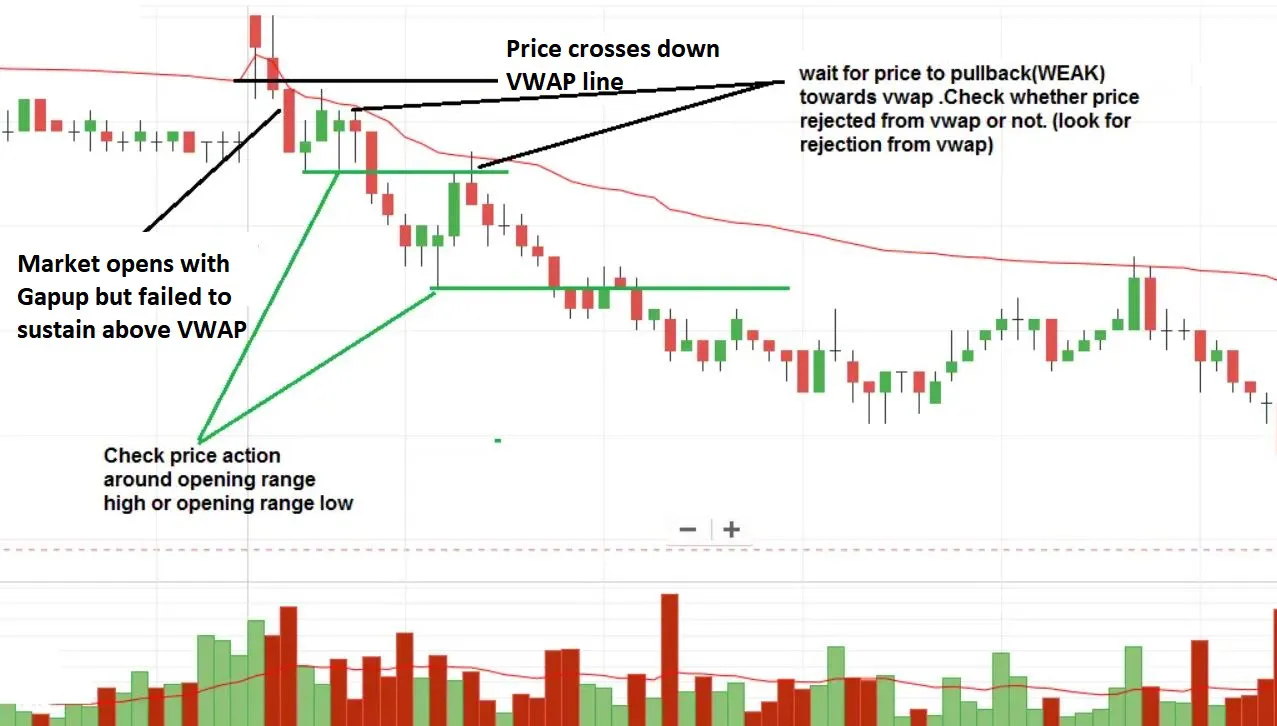
    if the price is below VWAP, it may indicate a bearish sentiment, and traders may consider selling opportunities or short positions.

    • Identifying Support as price touches or approaches the VWAP line from above and bounces back upwards, it suggests potential support, indicating a buying opportunity.
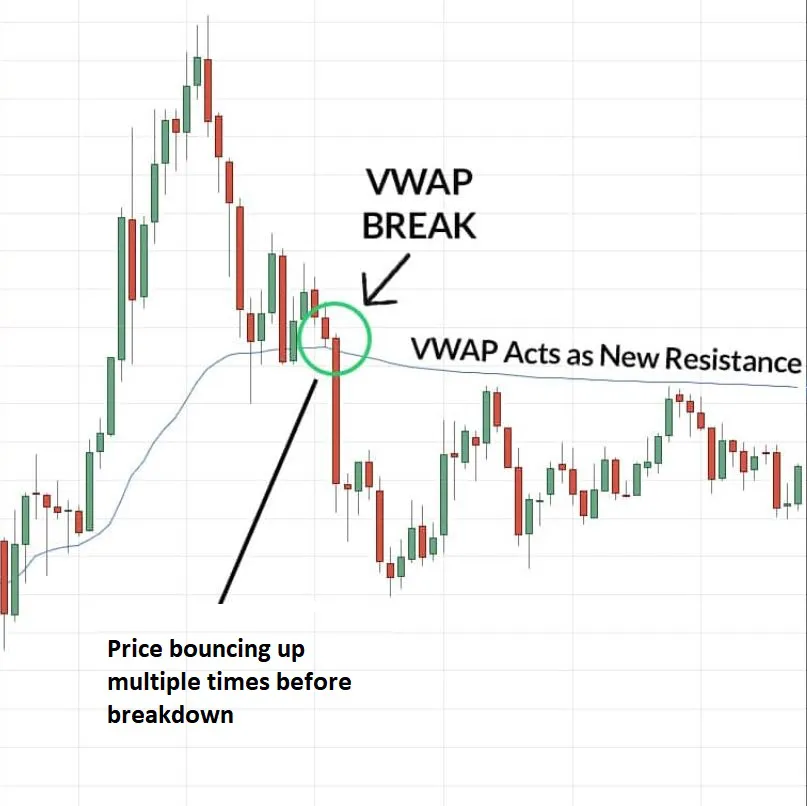
    • Identifying Resistance as the price approaches or touches the VWAP line from below and fails to break above it, it indicates potential resistance.
    • Confirm above by checking increasing in volume
    • Try to use other technical indicators such as MACD, MA or Stochastic RSI for proper confirmation
    • Works better in short term timeframe.
  2. VWAP do not guarantee the future price movements. Use other analysis techniques before taking any trading decisions.

  3. Crossovers and Breakout Strategy

    Similar to other indicators, trades can be taken based on VWAP and price crossover/breakouts.

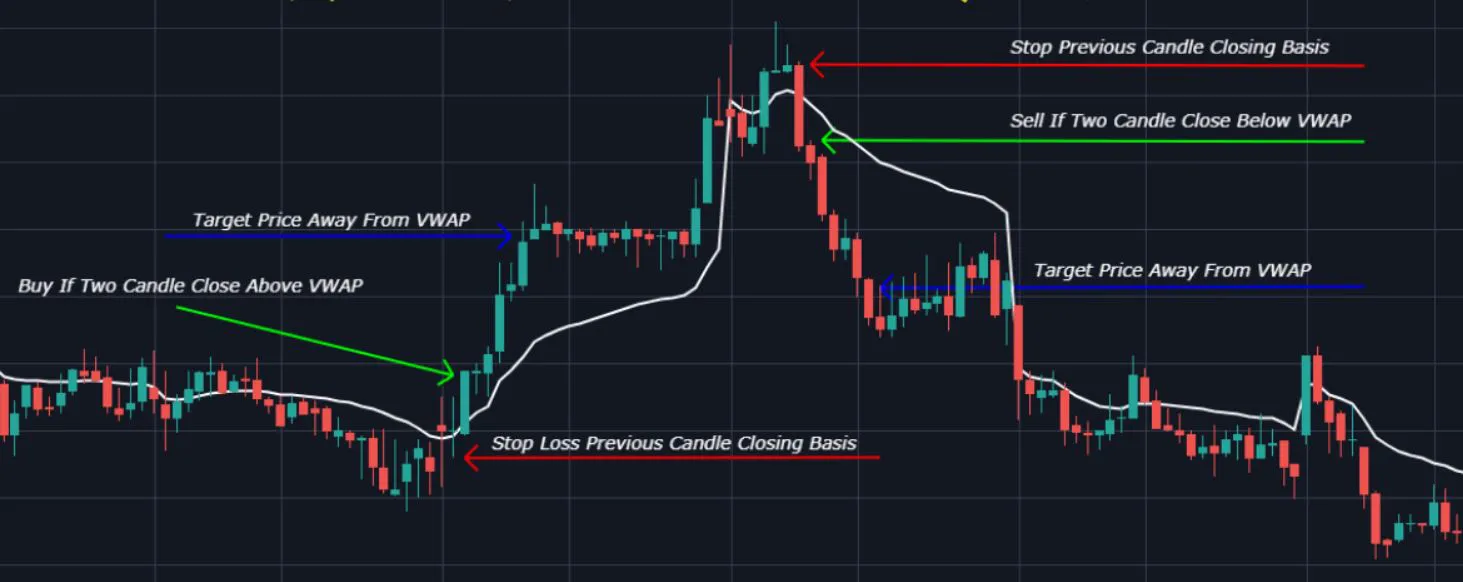
    If the price crosses above VWAP, it may suggest a bullish signal, indicating potential buying opportunities

    If the price crosses below VWAP, it may signal a bearish indication, suggesting potential selling opportunities.

    • Identify price and VWAP are crossing over each other on chart.
    • When the price crosses above the VWAP, it may indicate a potential bullish signal & go for long positions as price make a retest(or pullback) after crossover
    • When the price crosses below the VWAP, it may suggest a potential bearish signal. This indicates that selling pressure is increasing. Go for Short position as price make a retest(or pullback) after crossover
    • Confirm above by checking increasing in volume while crossover
    • Try to use other technical indicators for confirmation
    • Works better in short term timeframe.
  4. Most of the times, VWAP indicator lags as we needs to wait till crossover. This may miss out early entry opportunity.

  1. Pro and Cons of VWAP

    text goes here

    Advantages

    • It responses quickly to the market changes both in volume and price, and also Market open with gap.
    • It looks similar to a moving average line with more smoother line.
    • Best for short term trading such as Intraday and Scalping.
    • Acts as a dynamic support or resistance levels

    Disadvantages

    • It is a lagging indicator, may not provide real-time signals.
    • Since VWAP is volume-weighted, it can be heavily influenced by high-volume periods. Unusually high or low volumes can skew the VWAP and potentially impact its accuracy.
    • Not suitable for all Timeframes.
    • Do not work properly in higher Timeframes.

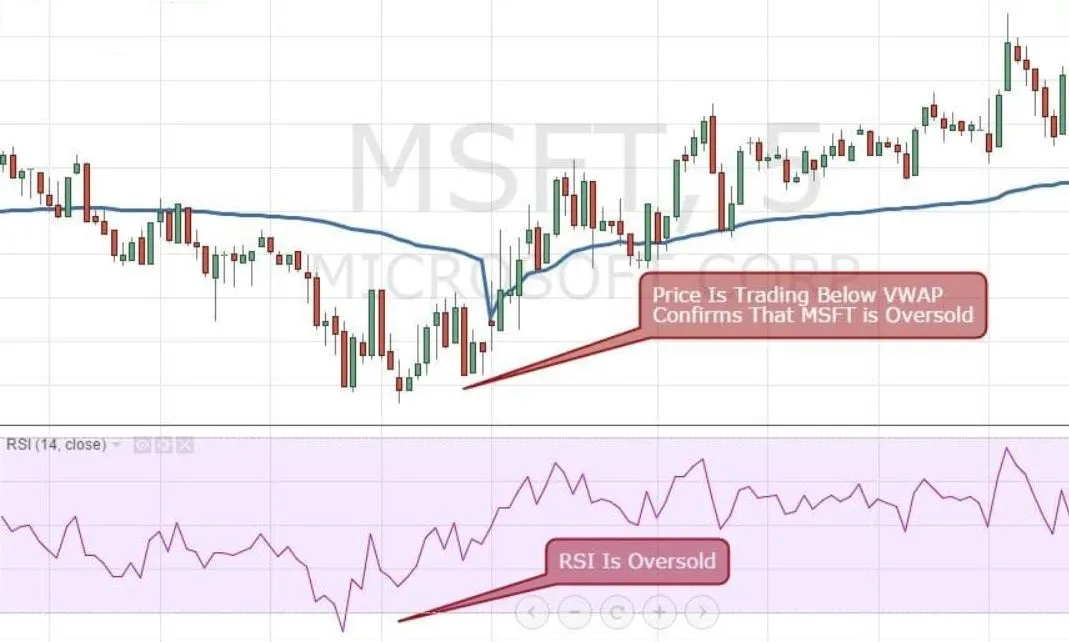
Example-1 : RSI indicating market is oversold and later price shifting above VWAP line.


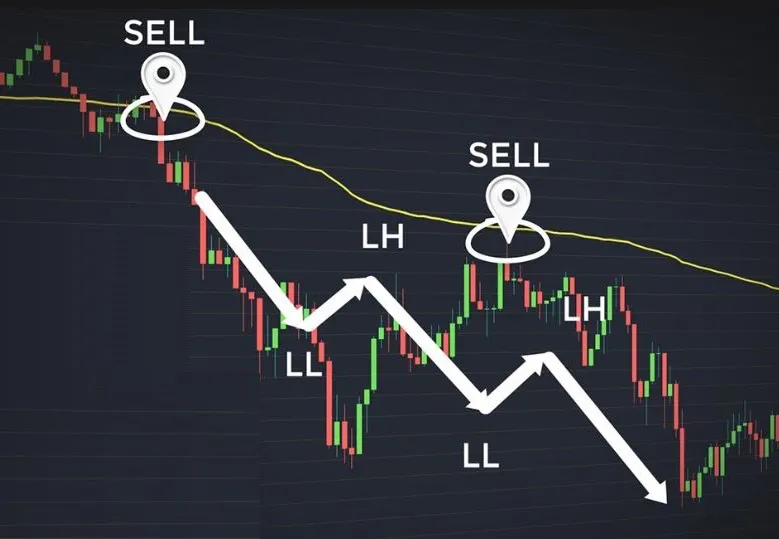
Example-2 : Taking the sell position on each time the price reaching VWAP resistance line.


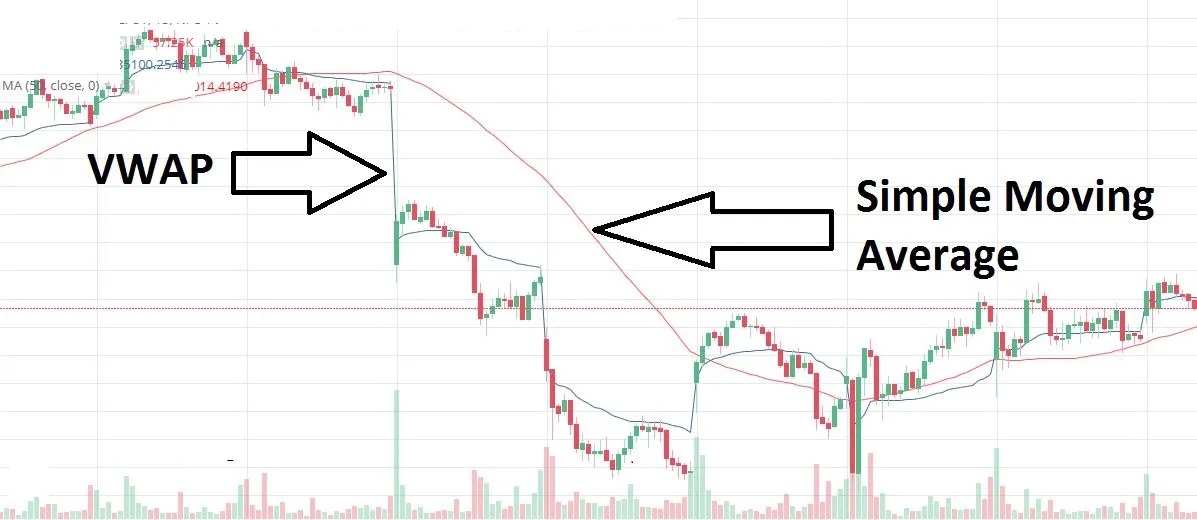
Example-3 : VWAP vs Moving Average. Using together can make better trade.


Example-4 : VWAP acting as support and Resistance


Example-5 : Entry, Target and Stop-loss using VWAP


Example-6 : VWAP as a Support and Resistance line


Example-7 : VWAP as Resistance line


Example-8 : Failure of VWAP indicator. Sometimes market do not follow VWAP indicator.


Share the App - Share Alpha